Table of Contents
Introduction
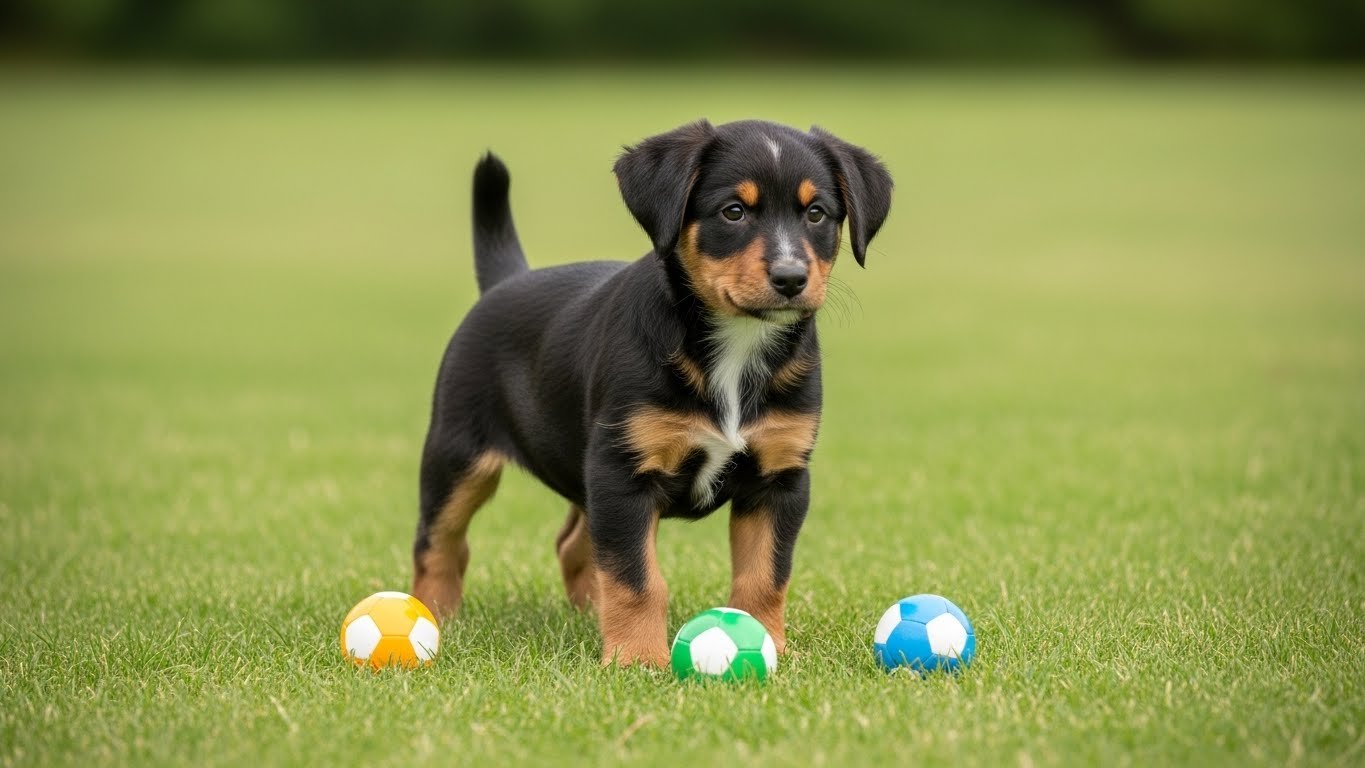
Bringing home a puppy is one of the most exciting moments in life. That little bundle of fur brings joy, love, and yes—plenty of playful energy! One of the best ways to bond with your puppy is through valplekar which is Swedish for “puppy play.” But valplekar is more than just running around with your pup. It’s how they learn, grow, and become confident little dogs.
In this article, we’ll explore everything you need to know about valplekar, from why it matters, how to do it right, and which games help your puppy thrive. Whether you’re a brand-new dog owner or just looking for better ways to connect with your furry friend, you’re in the right place.
Let’s jump into the pawsome world of valplekar!
What is Valplekar? A Simple Explanation
Valplekar means puppy play. But it’s not just about toys and fun. It includes all kinds of safe, healthy activities that help your puppy grow into a happy, well-behaved dog.
Puppy play includes chasing, tug-of-war, nose games, and problem-solving. It also includes social time with other dogs. When puppies play, they learn to trust people, move their bodies, and manage their energy.
Valplekar helps puppies explore the world in a protected and playful way. They learn what’s okay, what’s not, and how to behave around others. Just like human kids need playdates and classroom learning, puppies need valplekar!
Why Puppy Play Matters (A Lot!)
Puppies learn best through play. It’s how they build their muscles, develop their brains, and learn what’s safe or dangerous. Without valplekar, puppies can become bored, scared, or even aggressive.
Here’s what regular play offers:
- Confidence: A brave puppy will explore new places and sounds.
- Social skills: Puppies learn gentle biting and body language through play.
- Problem-solving: Smart games help grow their curious minds.
- Stronger bond with you: Playing together builds trust and love.
Think of valplekar as teaching through fun! When your puppy plays, they’re actually learning how to be a good dog.
The Best Age to Begin Valplekar
Puppies start playing as early as a few weeks old. But structured valplekar usually begins around 8–10 weeks old, when they join their new homes. This period is perfect for gentle games and bonding.
From 8 to 16 weeks, puppies are the most curious. This is the “socialization window.” It’s a special time when your puppy’s brain is wide open to new experiences. That’s why this is the best time to introduce toys, games, people, and other dogs.
Don’t worry if your pup is a little older. Valplekar can benefit dogs at almost any age—especially younger ones under 6 months.
Indoor Games for Rainy Days
When it’s cold outside or raining, your puppy still needs to burn energy. Indoor valplekar to the rescue! Here are a few simple yet fun ideas:
- Tug-of-war: Great for bonding and teaching self-control.
- Find the treat: Hide a treat under cups or in a towel. Your pup uses their nose to find it!
- Stair fetch (with care): Toss a soft toy up a short staircase. Great for building muscle.
- Obstacle course: Use pillows, boxes, and tunnels for a mini-maze.
Always keep indoor play gentle and safe. Clear sharp objects away and play on surfaces where your puppy won’t slip.
Outdoor Valplekar Ideas for Happy Puppies
Outdoor play is the best. Fresh air helps puppies calm their nerves and focus their energy. Here’s how to make outdoor valplekar a blast:
- Chase the toy: Use a flirt pole or rope for chasing.
- Hide and seek: Let your puppy sniff out where you’re hiding!
- Water fun: Let them splash in a kiddie pool or run through a sprinkler.
- Forest walk: Carefully explore nature trails with your puppy on a leash.
Be sure to watch for bees, sharp rocks, or anything that could hurt tiny paws. Always carry water during long play sessions.
Group Play: Puppy Playdates and Socialization
Puppies love making doggy friends. But it’s important to set the right tone. Positive group valplekar teaches puppies how to “speak dog” and play gently.
Tips for a safe playdate:
- Match your pup with a dog of similar size and age.
- Supervise. Stop the play if it gets rough.
- Use a fenced area for safety.
- Watch for good signs: bouncy bodies, relaxed tails, and happy faces.
Try visiting puppy classes or doggy daycare where supervised play is common. Just make sure all pups are vaccinated first.
Toys That Make Valplekar Better
Not all toys are equal. Some are perfect for tug. Others are made for chewing or brain games. Here’s a helpful list:
- Soft plush toys: Great for comfort and gentle tugging.
- Chew toys: Help with teething and jaw strength (like KONGs).
- Puzzle toys: Keep smart puppies focused and busy.
- Balls and ropes: Perfect for chase or tug-of-war.
Rotate toys every few days to keep playtime exciting. Always check for damage and replace broken toys.
Training Through Play (Yes, It Works!)
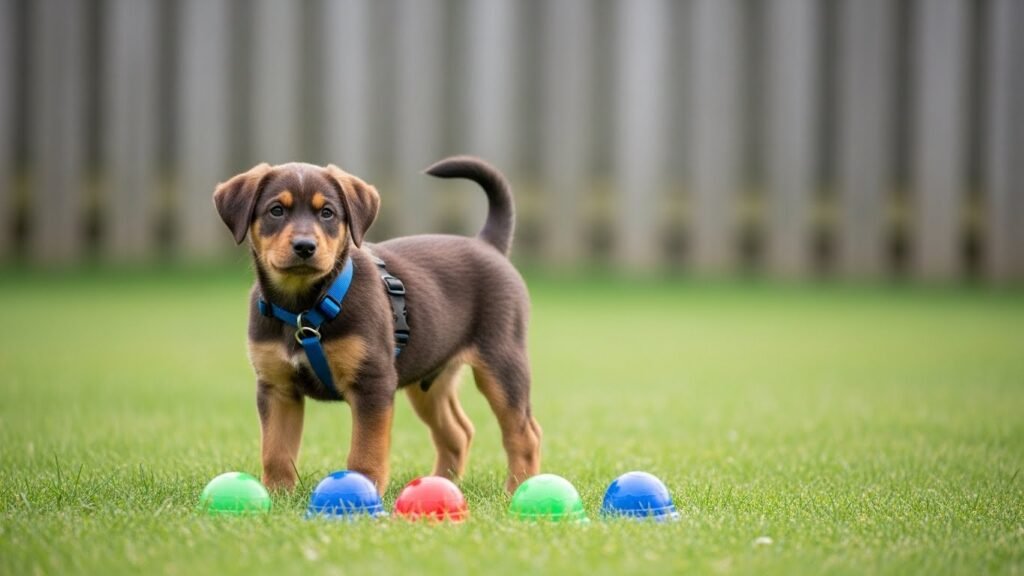
Valplekar isn’t just wild fun—it can include training too. In fact, puppies learn faster when training feels like a game.
Here’s how:
- Use treats: Reward your puppy for sitting, staying, or coming to you.
- Play recall games: Hide, call your puppy, and reward them when they find you.
- Fetch with rules: Teach your pup to “drop it” and “wait.”
- Follow-the-leader: Walk together and reward eye contact or gentle following.
By combining training with fun, your puppy learns important commands without stress.
Safety Tips for Every Valplekar Session
Playing with puppies should always be safe and controlled. Here are simple rules to keep things fun and injury-free:
- Short playtimes: Puppies tire quickly. Aim for 5–15-minute sessions.
- Soft surfaces: Use rugs or grass where they won’t slip.
- Watch their body: Stop if they pant too much or seem tired.
- No rough kids games: Never let kids tug too hard or chase your puppy.
- Chewing checks: Remove broken toys to avoid choking.
Puppies need calm downtime after play. A cozy nap or cuddle session is the perfect ending.
Building Strong Bonds Through Valplekar
Puppy play isn’t only for the puppy—it’s for you too. Valplekar builds a deep bond between you and your dog. You learn what makes your pup happy, scared, or excited. Your pup learns to trust and love you.
Even just 10 minutes a day can make a difference. Toss a toy. Share a snack. Run around together. These little moments add up.
One dog owner shared how playing tug every evening made her anxious shelter pup open up and feel safe in just a few weeks. That’s the real power of valplekar—strong connection.
How Long Should Puppy Play Sessions Be?
Every puppy is different. Some are full of energy all day, while others nap more often. On average, most puppies do well with 5–15 minutes of play every few hours.
Look at their body language:
- If they’re zooming around? It’s playtime.
- If they’re yawning, sitting, or flopping down? Time to rest.
Avoid overstimulation. Too much wild play can cause biting, barking, or stress. Keep play short and sweet, and switch to calm cuddles or gentle chewing after.
Valplekar for Calm Puppies or Shy Dogs
Not all puppies like loud or rough play. Some are quiet or nervous, especially rescues. That’s okay. You can still do gentle valplekar with soft games.
Consider:
- Quiet nose games: Let them sniff out treats from paper towel rolls.
- Training games: Reward small steps, like looking at you.
- Gentle tug: Use a soft toy and never pull too hard.
- Roll a ball: Let them watch and learn at their speed.
With time and patience, even shy puppies grow braver through kind, easy valplekar.
FAQs
1. How often should I play with my puppy each day?
You should play with your puppy several times a day in short 10–15-minute sessions. Younger puppies may need more nap breaks, but regular valplekar keeps their mind and body healthy.
2. Can valplekar replace walks?
Not entirely. While play is great, walks help your puppy learn about the world. Combine both. Use walks for sniffing and exploring, and use playtime for bonding indoors or out.
3. What if my puppy gets too rough when playing?
If your puppy bites or gets crazy during play, stop the game immediately. Say “ouch” and turn away. This helps teach bite control. Calm, consistent training works best here.
4. Are there toys I should avoid during valplekar?
Yes. Avoid sharp, small, or easily breakable toys. Also stay away from toys with parts that can pop off and be swallowed. Always choose safe, puppy-approved toys.
5. Can I do valplekar with multiple dogs?
Yes, group play is great. But only if all the dogs are calm, friendly, and similar in size. Always supervise to avoid accidents, especially with smaller or younger puppies.
6. What if my puppy doesn’t like playing?
It’s okay. Some puppies prefer gentle contact, exploring, or chewing to active games. Try calm activities like gentle fetch, food puzzles, or snuggling. Every dog is different.
Conclusion
Valplekar is more than play. It’s how puppies learn about the world, build trust, and become loving companions. By including fun, safe play in your daily routine, you help your puppy grow into a healthy, happy adult dog.
Remember, every pup is different. Some love wild games. Others like quiet nose jobs or short training games. The best valplekar matches your puppy’s unique style.
So grab a toy, get on the floor, and enjoy this special time. They’re only puppies once—but the habits and bond you build during puppy play last a lifetime.