Table of Contents
Introduction
The tech world is moving fast, and systems must work better and smarter than ever before. That’s where soa os23 comes in. It’s more than a buzzword—it’s a new way to connect, run, and manage software and services. Whether you’re a student, developer, small business owner, or just curious about how systems interact, this guide will help you understand the big ideas behind SOA OS23.
SOA stands for Service-Oriented Architecture, a design style where different services talk to each other across a network. OS23 is a specific version built with upgrades that aim to solve real-world problems, like speed, security, and flexibility. So if you want to learn how SOA OS23 helps systems work together better, keep reading.
We’ll explain everything in simple words, short steps, and clear stories so anyone can follow along. Let’s explore how this system is changing the future of software—and how it might help you too.
Understanding SOA OS23 in Simple Terms
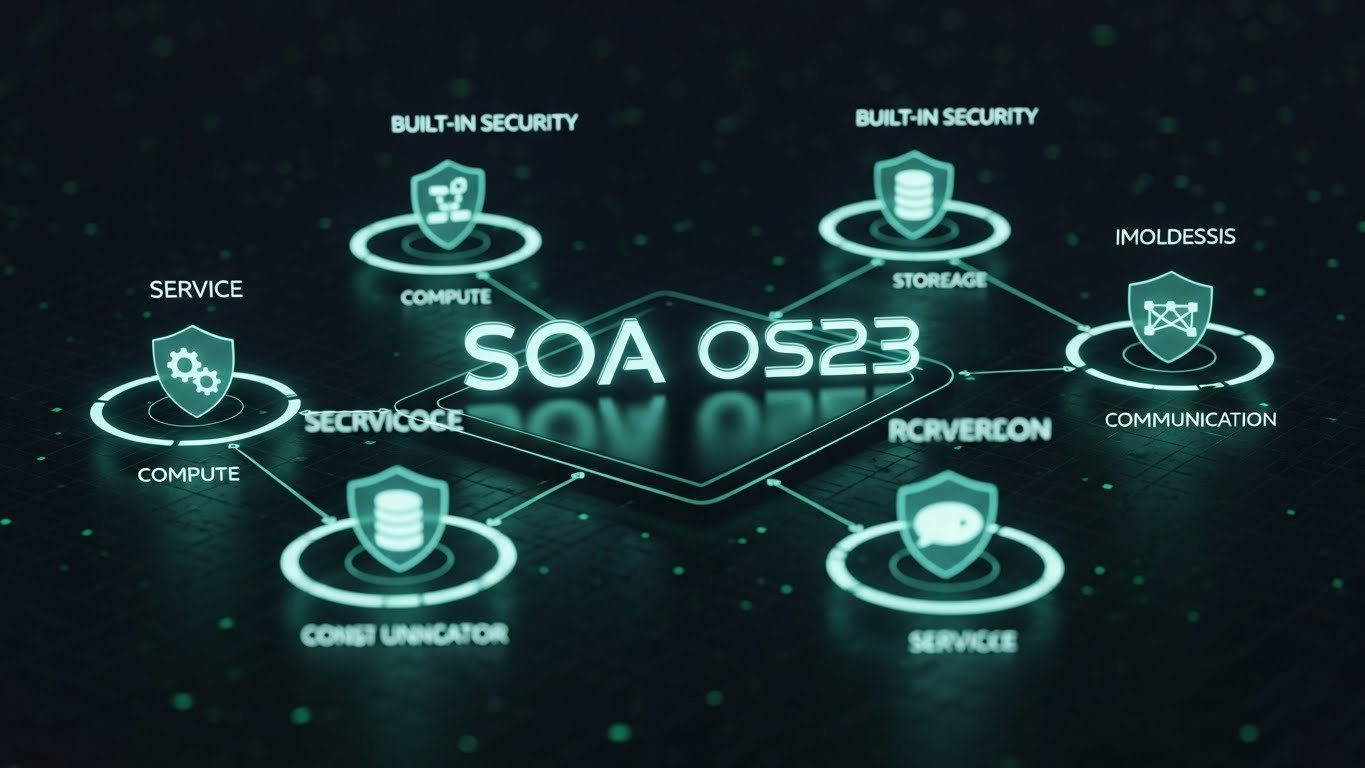
Let’s break it down. SOA OS23 stands for Service-Oriented Architecture Operating System 2023. It’s a platform, or a set of tools, that makes different parts of software work together smoothly. Imagine a team where each player has a special skill. In SOA, each “service” is like a team member, and OS23 helps them play together well.
Instead of making one big app, SOA splits work into smaller parts called services. These services can work on their own or together. With SOA OS23, software becomes easier to manage, update, and grow.
For example, an online store might have separate services for search, checkout, and shipping. Each part can be improved without breaking the whole site. That’s the power of SOA—and OS23 makes it even better.
The Key Benefits of SOA OS23
One major reason why teams and companies switch to SOA OS23 is because it brings flexibility. It helps split large, hard-to-manage apps into smaller, cleaner pieces. Here are some more benefits:
- Scalability: Need more power? Just add more services. No need to rebuild.
- Reuse: Build a service once and use it in many places.
- Easy updates: Fix or update a service without touching others.
- Cross-platform: Services can work across different devices and languages.
- Faster launch: Build and use services one at a time, not all at once.
These benefits can save companies time, money, and stress—especially as apps grow bigger and more complex.
How SOA OS23 Is Different from Old Systems
Older systems often used something called monolithic architecture. That means everything lived inside one giant block of code. While it worked at the time, it caused problems when one small change broke the whole system.
In contrast, SOA OS23 breaks this big block into small services, each doing one job. This makes it safer and more stable.
Also, OS23 is built for today’s tech world. It focuses on cloud services, microservices, DevOps, and real-time updates. It’s more flexible, more modern, and more useful in today’s fast world.
So, SOA OS23 isn’t just a new version—it’s a better way to run systems in the digital age.
Who Should Use SOA OS23?
You might wonder, “Is SOA OS23 just for big tech companies?” The answer is no. It’s useful for many kinds of people and teams, including:
- Developers creating apps or platforms
- Startups building smart, flexible systems from day one
- IT teams managing systems that need regular updates
- Schools teaching software system design
- Businesses growing their technology over time
Really, anyone working with software systems can benefit. Whether you’re designing your first app or managing a complex business network, SOA OS23 makes your job easier.
Real-Life Use Cases of SOA OS23
Let’s look at how SOA OS23 works in real life:
1. E-Commerce: An online store can change the checkout process without touching the product catalog service.
2. Healthcare: Patient records, lab reports, and appointment systems can exist as separate services working smoothly together.
3. Banking: Add fraud detection or new payment methods as different services without rebuilding the main app.
4. Education apps: One service can handle live lessons, while another handles grading.
Each of these systems needs to be reliable—and changeable. That’s what SOA OS23 does best.
Security in SOA OS23

Security is a huge concern in any system. Thankfully, SOA OS23 has security built-in across all services. Here’s how it helps:
- Isolation: If one service fails or is hacked, others stay safe.
- Encryption: Data moving between services stays encrypted.
- Authentication: Access rules make sure only the right people or apps can use services.
- Monitoring: Logs and alerts notify teams if something seems wrong.
Because of its structure, SOA OS23 can limit damage and recover faster if issues appear. That peace of mind is priceless.
How SOA OS23 Works with the Cloud
SOA OS23 and cloud services are a great match. The cloud means your services don’t live on just one computer—they can live anywhere. You can even run services in different parts of the world.
With SOA OS23, you can:
- Deploy your services on cloud platforms like AWS, Google Cloud, or Azure
- Auto-scale services based on traffic
- Pay only for what you use
- Run updates without downtime
It’s a flexible system made for today’s web—fast, global, and always on.
Tools and Technologies That Support SOA OS23
SOA OS23 doesn’t work alone. It uses a mix of popular tools and systems to do its job better. Some key supporters include:
- APIs (Application Programming Interfaces): These let services talk to each other
- Containers, like Docker: Package services to run anywhere
- Orchestration tools, like Kubernetes: Manage and scale services
- DevOps platforms: Help test, build, and update services quickly
The popularity of these tools shows why SOA OS23 is not just an idea—it’s part of a growing and active ecosystem.
Future Trends for SOA OS23
The tech world never stands still, and neither does SOA OS23. It’s already being used with AI, machine learning, blockchain, and IoT (Internet of Things). Here’s what you might see going forward:
- Smarter services that adjust in real time
- Voice and chatbot interfaces using SOA
- Faster rollouts with automated processes
- Self-healing systems that fix problems on their own
As these trends grow, SOA OS23 will play a key role in making them work smoothly together.
Comparing SOA OS23 with Microservices
Some people confuse SOA with microservices. They’re close—but not the same. Both break systems into smaller pieces, but SOA often uses larger, shared services, while microservices go even smaller and stay more independent.
Here’s a simple chart:
| Feature | SOA OS23 | Microservices |
|---|---|---|
| Size | Medium services | Tiny services |
| Speed | Slower but steady | Very fast and lightweight |
| Focus | Enterprise apps | Cloud-based web services |
| Communication | More formal (SOAP) | Lightweight (REST/JSON) |
SOA OS23 often works well with microservices, giving you flexibility and choice.
Challenges of Using SOA OS23 (And How to Solve Them)
No system is perfect. While SOA OS23 offers many benefits, there are challenges too. These include:
- Complex setup: Splitting tasks into services can take time
- Testing difficulty: You need to test many moving parts
- Performance issues: Too many service calls can slow things down
How to solve these?
- Use automation tools to handle testing and deployment
- Monitor performance with built-in metrics
- Start small and grow as needed
Planning and proper tools make these issues much easier to manage.
Best Practices for SOA OS23 Success
Want to make the most of SOA OS23? Follow these simple tips:
- Plan your services before coding
- Keep services small and focused
- Use strong names and clear interfaces
- Document everything to help your team understand it
- Keep testing and measuring results
Think of it like building roads—each service should connect smoothly and safely to the next.
FAQs
1. What does SOA OS23 stand for?
SOA OS23 means “Service-Oriented Architecture Operating System 2023.” It helps software systems work better with flexible parts called services.
2. Is SOA OS23 good for small businesses?
Yes! It fits small teams and big companies. It’s helpful for anyone who wants flexible, smarter apps.
3. Are SOA and microservices the same?
Not exactly. SOA is broader, with shared services. Microservices are smaller and more loosely connected. Both can work well together.
4. Is SOA OS23 safe?
Yes. It uses modern security tools like access controls, identity checks, and data protection to keep each service safe.
5. Can I use SOA OS23 with the cloud?
Absolutely. SOA OS23 works perfectly with cloud platforms like AWS, Azure, or Google Cloud.
6. Do I need special software to use SOA OS23?
You’ll need tools for APIs, containers, and service management—but many are free or open-source.
Conclusion
In today’s world, systems must be smarter, faster, and able to change quickly. SOA OS23 offers a powerful way to build software that grows with you. Whether you’re starting a new app, fixing an old one, or just learning, SOA OS23 gives you the tools to create something strong, safe, and ready for the future.
It’s more than just tech—it’s a smarter way to think about software. By breaking down big problems into smaller, easier parts, SOA OS23 gives you control, speed, and options. And that’s exactly what today’s digital world needs.
Now that you know the basics of SOA OS23, it’s time to explore. Try using it, test out a small project, or share what you learned with your team. You don’t need to build a company overnight—you just need to take one step forward.