Table of Contents
Introduction
Have you ever used koriandri in your kitchen? Maybe you’ve tasted it in a curry or smelled its fresh and citrusy aroma. But did you know koriandri is more than just a herb? It’s also packed with health benefits and hidden powers that can do amazing things for your body and home.
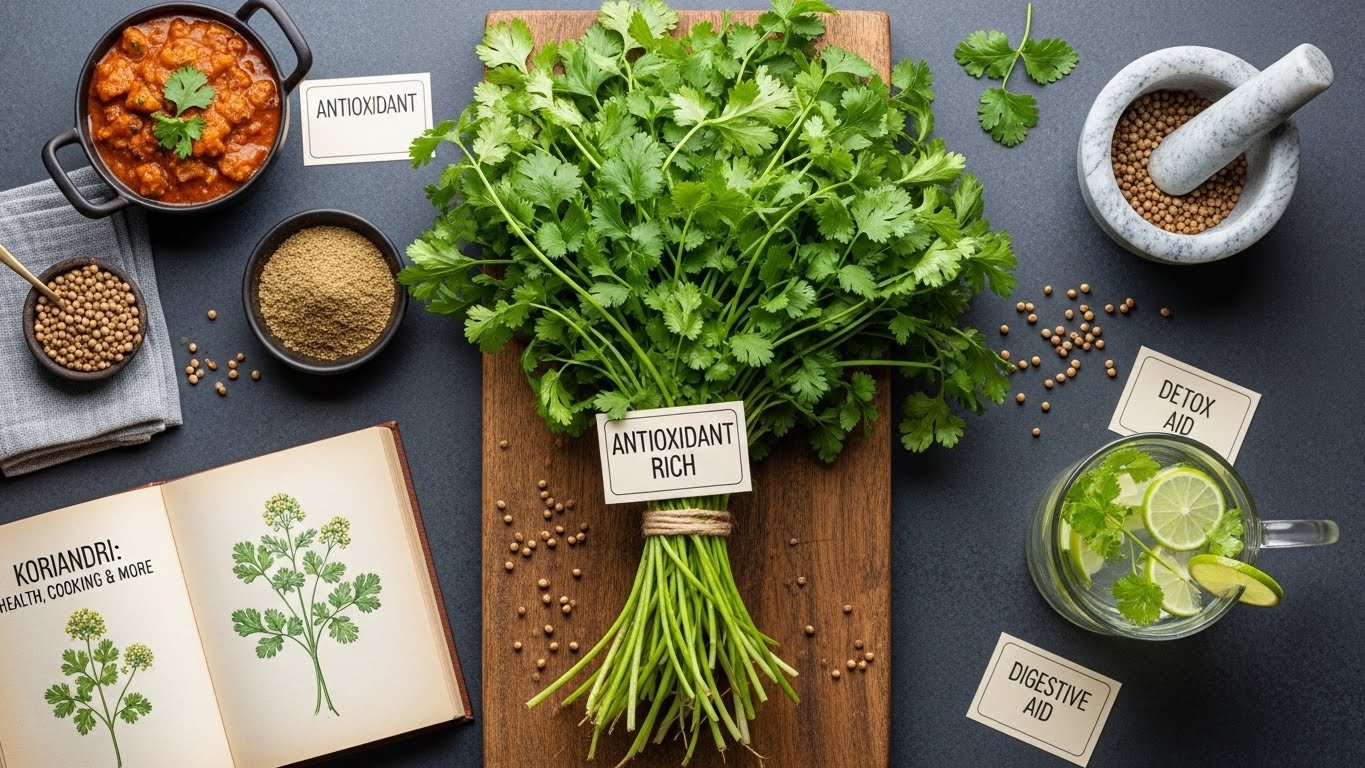
Koriandri is another name for coriander, a plant used throughout the world in food, medicine, and even skincare. Both the seeds and fresh leaves (also known as cilantro) are useful and packed with nutrients. People often include koriandri in recipes—but it can also support healthy digestion, lower blood sugar, and freshen breath!
In this article, you’ll learn everything you need to know about koriandri. From how to cook with it to why it’s so good for you, we’ll explore its benefits in a simple, easy-to-understand way. So let’s dive into the wonderful world of koriandri, and maybe you’ll end up loving it even more.
What Is Koriandri?
Koriandri is a herb from the parsley family. It’s also called coriander in English. The fresh green leaves are often called cilantro, and the dried seeds are known for their warm, lemony flavor.
Koriandri is used in cooking all over the world, especially in Indian, Mexican, and Middle Eastern dishes. But koriandri isn’t only used for flavor. It also has natural compounds that are good for your body. People have used this tiny plant for thousands of years to help with digestion, bloating, skin problems, and many other health concerns.
So next time you spot koriandri in a dish, remember: it’s not just a garnish—it’s a natural healer and flavorful friend!
Nutrition Facts: What’s Inside Koriandri?
Koriandri might be small, but it’s full of nutrients your body loves. Whether you’re eating the leaves or the seeds, each part of the plant has something helpful to offer.
Koriandri is rich in:
- Vitamin C – Helps boost your immune system
- Vitamin K – Supports healthy bones and skin
- Vitamin A – Great for your eyes and immune health
- Potassium – Helps your heart function well
- Magnesium – Good for energy, nerves, and mood
- Antioxidants – Protect your cells from damage
Koriandri also has fiber, essential oils, and plant compounds that help with inflammation and digestion. Just a sprinkle of this powerful herb in your daily meals can add flavor and health benefits.
Koriandri for Digestive Health
Let’s start with one of the best-known uses of koriandri—helping your tummy feel better!
Eating koriandri regularly can:
- Reduce bloating and gas
- Calm an upset stomach
- Boost digestion, especially after a heavy meal
- Ease cramping or nausea
- Help with irritable bowel symptoms
Many cultures use koriandri seeds as a natural way to settle the stomach, especially after eating spicy or greasy meals. Koriandri tea, made by boiling seeds in water, is often used for kids or adults who feel gassy or uncomfortable after eating.
Want a simple trick? Try chewing a few koriandri seeds after meals to keep your gut happy!
Does Koriandri Help With Blood Sugar?
Yes, it might! Recent studies suggest koriandri may help lower blood sugar naturally. This could be especially useful for people dealing with type 2 diabetes or trying to prevent it.
Here’s how koriandri helps:
- Encourages insulin production
- Improves how your body uses sugar
- Slows down sugar absorption in your stomach
- Helps reduce sugar spikes after meals
People often drink koriandri seed water to support balanced blood sugar. Just soak a teaspoon of seeds in a glass of water overnight and drink it in the morning on an empty stomach. It’s easy, natural, and refreshing.
Of course, if you take medication, don’t stop it—but adding koriandri to your diet could help your efforts to manage sugar levels.
Koriandri’s Natural Powers: Anti-Inflammatory and Antioxidants
Koriandri is more than just a healthy herb—it’s also a natural protector. It contains antioxidants and plant oils that fight inflammation and reduce damage caused by stress or unhealthy food.
Some benefits include:
- Protecting the heart
- Reducing joint pain or swelling
- Supporting liver health
- Slowing signs of aging
- Helping your brain stay sharp
Chronic inflammation is connected to many diseases, including arthritis, Alzheimer’s, and heart problems. Since koriandri is rich in antioxidants, it helps calm inflammation and keep your body feeling younger and stronger.
Adding koriandri into your diet is a small step that may offer big long-term advantages.
Koriandri for Skin and Hair
Want glowing skin and shiny, strong hair? Koriandri may help there too! This herb is full of vitamins and minerals that your skin loves.
Here’s what it can do:
- Clear acne and reduce oiliness
- Brighten dull skin
- Soothe rashes or irritation
- Strengthen hair follicles
- Slow down hair fall
You can use koriandri seeds in face scrubs or boil them and use the water as a skin rinse. The fresh juice of cilantro leaves is sometimes used on the scalp to make hair healthier.
Drink koriandri tea daily, and your skin might start to look more even, calm, and fresh, thanks to its antibacterial and anti-inflammatory qualities.
Fresh vs. Dried Koriandri – What’s the Difference?
You can eat both fresh koriandri leaves (cilantro) and the dried seeds—but they do very different things.
Fresh koriandri:
- Has a light, bright flavor
- Often used as a fresh topping or in green chutneys
- Contains more vitamin C and water
- Great for digestion and detoxing
Koriandri seeds (dried):
- Have a nuttier, lemony flavor
- Used in spice mixes, soups, and teas
- Great for blood sugar and digestion
- Can be stored for months
Use both if you can! Add the fresh leaves at the end of cooking and use ground seeds while cooking to give your dishes more flavor and more health.
Different Ways to Use Koriandri in Daily Life
There are so many fun and easy ways to use koriandri every day. You can keep it simple or get creative!
Try these ideas:
- Chop fresh koriandri and sprinkle it over rice, soups, or grilled veggies
- Add coriander seeds while cooking dal or curry
- Make chutney with fresh koriandri, lemon juice, and green chili
- Brew koriandri tea by boiling the seeds in water
- Add ground koriandri to meat, fish, or tofu marinades
- Soak seeds overnight and drink the water in the morning
Use it regularly, and your meals will taste better, and your body might feel better too. It’s an herb that fits into any diet and any culture easily.
Can Koriandri Help With Detox?
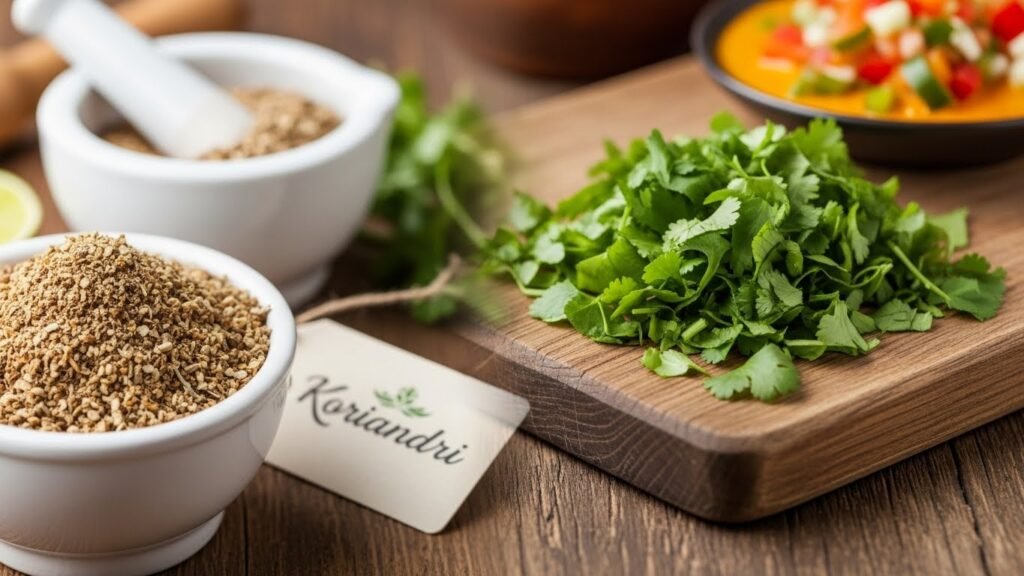
Yes, many people believe koriandri helps cleanse the body. Because of its plant oils and antioxidants, koriandri supports the liver and kidneys. Those are the parts of your body responsible for removing waste and toxins.
Koriandri supports detox by:
- Boosting the function of the liver
- Helping flush out heavy metals
- Reducing bloating and water retention
- Supporting healthy urine function
Some detox drinks include green koriandri leaves blended with lemon water and cucumber. It’s a refreshing way to reset your body after a long day or week of junk food.
Keep in mind—detoxing doesn’t mean starving. It means feeding your body natural things, like koriandri, that help it work better.
How Much Koriandri Should You Use?
Like most herbs, koriandri is very safe when used in normal amounts. How much you use depends on what form you’re taking.
Here’s a basic guide:
- Fresh leaves – 2 to 4 tablespoons a day (raw or added to food)
- Coriander seeds – 1 to 2 teaspoons daily (whole or ground)
- Koriandri water – Soak 1 teaspoon of seeds overnight in water, then drink in the morning
- Capsules – Follow the amount on the label (usually 500mg–1000mg/day)
Listen to your body and start small. If you’re using it every day, try mixing it up—some days fresh, some days tea, some days powder.
And if you’re pregnant or taking medications, check with your doctor first—just to be safe.
Are There Any Side Effects?
Koriandri is safe for most people, but like anything, too much of it or sensitivity to herbs might cause minor issues.
Possible side effects in rare cases:
- Allergic reaction (itching or rash for those with herb allergies)
- Low blood sugar if overused
- Digestive upset if taken in large amounts
- Skin reaction if applied topically without testing
If you’ve never used koriandri before, start with a small amount and see how your body reacts.
People with cilantro allergies should avoid fresh koriandri leaves but may tolerate the seeds. Always talk to your doctor if you have doubts or a medical condition.
FAQs
1. What is the difference between koriandri and cilantro?
They are from the same plant! Cilantro refers to the fresh leaves. Koriandri usually refers to the seeds or the entire plant.
2. Can I eat raw koriandri every day?
Yes! Fresh koriandri leaves can be eaten daily. Add them to salads, soups, or smoothies for flavor and benefits.
3. Is koriandri good for weight loss?
Koriandri may support digestion, reduce bloating, and help regulate blood sugar—all helpful during weight loss.
4. Can I give koriandri water to kids?
Yes, but use less. For children, half a teaspoon of soaked seeds in warm water is usually enough.
5. Is coriander the same as parsley?
No—while they look similar, they taste and work differently. Koriandri has a lemony taste, while parsley is more grassy.
6. Can I store koriandri seeds for a long time?
Definitely! Keep them in an airtight container in a cool, dark place—they last up to a year or more.
Conclusion
Now that you know all about koriandri, why not make it part of your daily routine? Whether you’re cooking a delicious dish or sipping a gentle detox drink, koriandri makes everything better—for your taste buds and your health.
It’s easy to find, simple to use, and brings natural benefits your body will thank you for. Plus, it fits into almost every kind of meal—from Indian curries to salad dressings and smoothies.
Try using both the leaves and seeds in fun, new ways. Listen to your body. And enjoy the fresh, healing power of one of nature’s oldest herbs.