Table of Contents
Introduction
Have you come across the word hitaar and wondered what it means? You’re not the only one. Many are starting to see this word on websites, in wellness discussions, or even in tech forums. But is it a product, a mindset, a supplement, or maybe something else?
In simple words, hitaar is a term that can carry different meanings depending on the context. It’s often used to describe something beneficial, growth-oriented, calming, or purposeful. In some spiritual or wellness settings, hitaar might refer to inner clarity or life improvement. In others, it can relate to technology or tools designed to make life smoother.
This article will explain hitaar in simple language. We’ll explore what it is, where it comes from, how it’s used, and how it may impact your daily life. Whether you’re looking for mental peace, a new practice, or just curious, we’ll break it all down piece by piece.
Let’s begin your journey into the world of hitaar and why it matters today.
What Does Hitaar Really Mean?
Hitaar doesn’t have just one meaning. In fact, that’s part of the magic of the word. In Sanskrit and other ancient languages, the word “hitaar” (or “hitar”) can be linked to ideas like:
- That which is beneficial
- Something that brings improvement or wellness
- An action or thought that is full of intention and peace
In modern times, hitaar has also been used to name wellness brands, mindfulness programs, or health-related products. It may refer to a system, a habit, or a way of thinking that supports healthy living, calmness, emotional growth, or focus.
If you’ve seen “hitaar” on a website, it might describe a product meant to help your body or mind. But it’s more than just a thing—it reflects a feeling or experience that’s meant to serve your well-being.
Is Hitaar a Product, a Practice, or a Philosophy?
The short answer: it can be all three.
That’s why many people are drawn to hitaar. Because it’s flexible and meaningful, it can show up in different ways in your life. Let’s look at each possibility:
- Product: Hitaar may be a wellness product—like herbal teas, focus drops, aroma oils, or meditation tools.
- Practice: Hitaar can also represent a daily habit, such as morning breathing, mindful journaling, or gratitude time that keeps the mind and body centered.
- Philosophy: At a higher level, hitaar is a mindset. It’s about choosing peace, goodness, and purpose every day—what’s good for you and those around you.
This makes hitaar more than a trend. It’s something that can grow and fit into any life, no matter your schedule or past experience.
How Hitaar Supports Mental Peace and Calm
Life today can feel busy, loud, and nonstop. Rolling news, social media scrolling, endless to-do lists—it’s easy to feel scattered. That’s where hitaar steps in.
Hitaar encourages you to pause, reflect, and reset. It reminds you to choose peace, even for just a few minutes. Whether that’s by sitting quietly, using a calming blend, or starting the day with a peaceful word, hitaar is a helper for your mental wellness.
Some ways hitaar may bring peace:
- 10 deep breaths before starting your day
- Listening to soft music in your car commute
- Saying “Let go, focus on the good” out loud
- Using a hitaar product like essential oils with lavender or sandalwood
- Drinking herbal teas designed to restore calm energy
Hitaar invites you to bring attention back to what truly matters in your mind and heart.
Hitaar in the World of Wellness Products
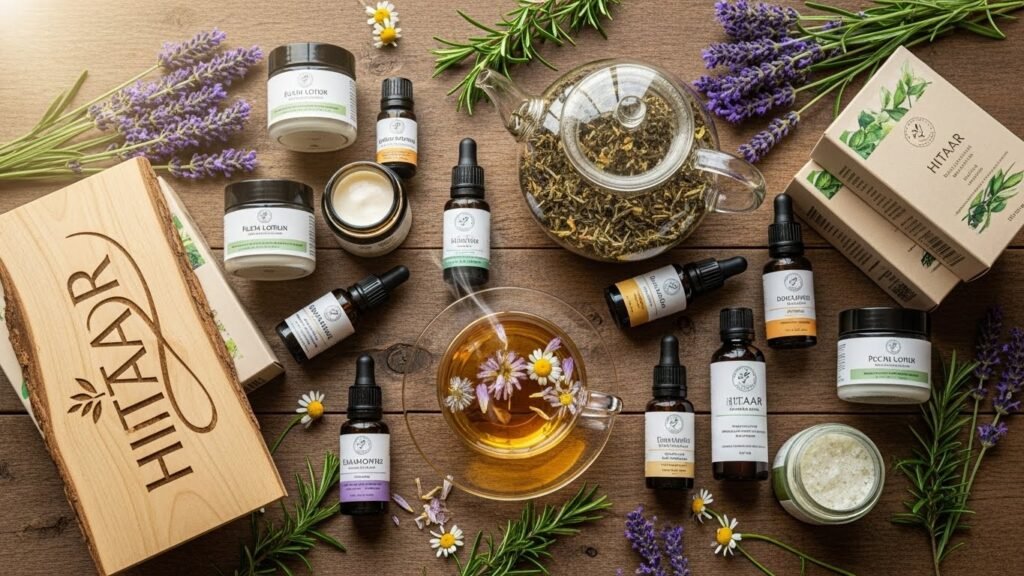
Many wellness products are now embracing the word hitaar in their name, label, or mission. If you see a product named or described as “hitaar-based,” it likely means:
- It’s made from natural ingredients
- It aims to restore balance in the body or mind
- The product’s purpose is to bring gentle support, not instant fixes
- Ritual use is encouraged, meaning you use it regularly with self-care routines
Examples of hitaar products can include:
- Herbal blends for stress support
- Natural supplements for digestion, immunity, or sleep
- Calming teas or drinks
- Meditation accessories like incense, oils, or sound bowls
These products align with the hitaar belief that benefits should be long-term, gentle, and deeply felt.
Always check labels and make sure the product uses trustworthy, clean ingredients if you’re adding it to your routine.
Hitaar and Personal Growth
Growth isn’t always loud and dramatic. It can be small, day-by-day progress. That’s what makes hitaar so special. It honors the quiet steps, the moments you choose change, even when it’s hard.
Hitaar encourages:
- Self-responsibility: You are your own guide
- Gentle reflection: Ask, “What’s good for me today?”
- Kind choices: Choose food, habits, and company that lift you
- Patience: Allow your mind and body to adapt slowly
It’s not about big plans. It’s about daily consistency. That’s real growth—that’s hitaar growth.
Even writing one good thing from your day in a notebook—that’s hitaar. Saying no to extra stress—that’s hitaar too. It’s small, honest, and real.
Hitaar and Mindful Technology Use
Believe it or not, hitaar can also help in tech habits. Many people want to cut down screen time, use phones less, or sleep without digital distractions. Hitaar gives you tools to create space from overload.
A few tech hitaar habits:
- Use apps that track screen time in a positive way
- Create “phone-off” windows—like 8–9 AM or in the hour before sleep
- Replace doomscrolling with a 3-minute breathing app
- Choose calming backgrounds or lock screen reminders like “Be here now”
If you’ve ever said, “This phone is stealing my peace,” then adding hitaar-inspired moments might help you bridge the gap between tech and well-being.
Hitaar as a Daily Ritual
Many people turn to hitaar practices as rituals. These are small, personal times that bring focus and joy. They’re not about rules—they’re about honoring yourself in a quiet moment.
Morning hitaar rituals might include:
- Stretching with your eyes closed
- Reading or writing one mindful quote
- Taking a slow sip of warm water or tea
- Lighting a candle to begin the day
Evening hitaar rituals can include:
- Wiping your face slowly with warm water
- Turning off screens and playing soft music
- Writing down fears or to-do lists, then closing the notebook
- Giving thanks for one tiny win of the day
These rituals don’t need fancy tools or time. They only need clear attention. That’s hitaar in action.
Hitaar and Natural Ingredients: A Perfect Pairing
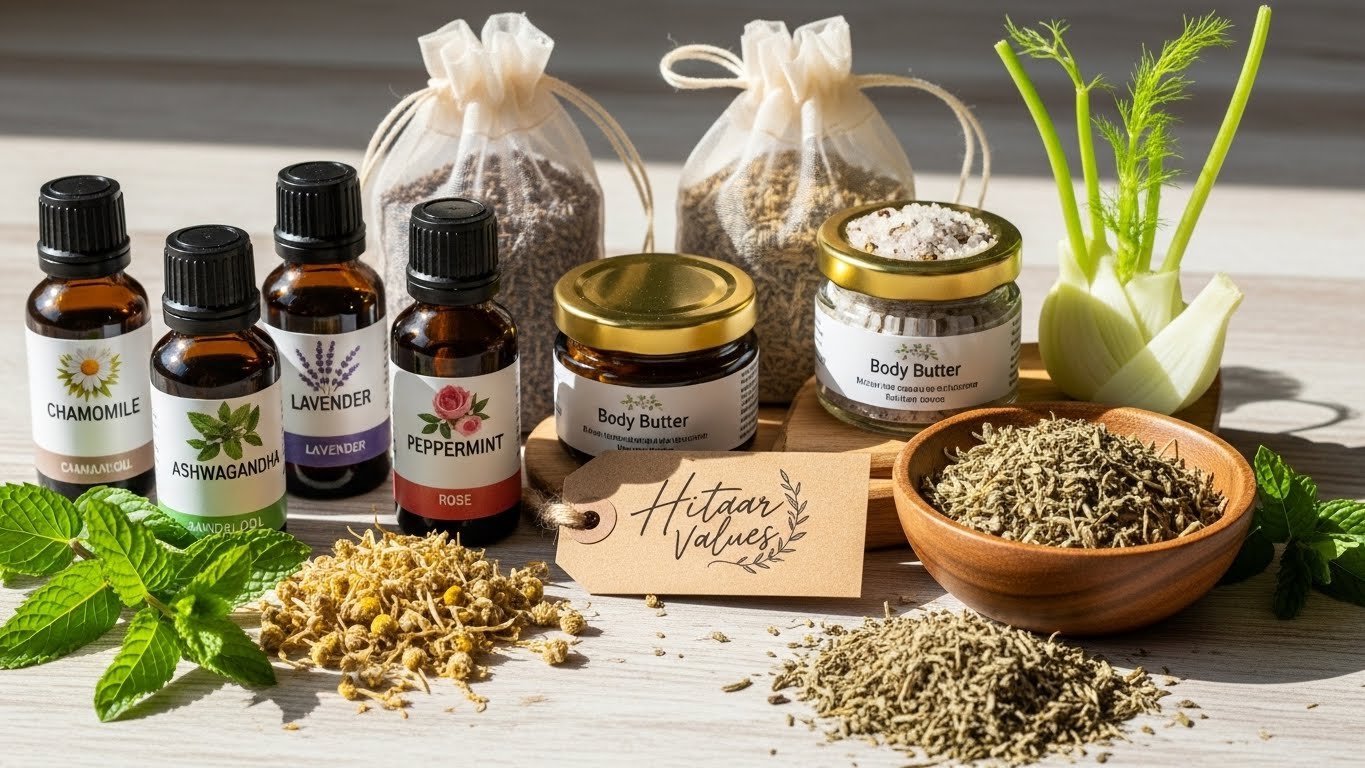
When you look at herbal teas, essential oils, or plant-based spa products, you’re likely to see natural synergy with hitaar values. Why? Because both are about supporting the body gently and wholesomely.
Look for products with:
- Chamomile and lavender (for stress reduction)
- Ashwagandha or tulsi (gentle adaptogens)
- Peppermint or fennel (soothing digestion)
- Rose or sandalwood oils (emotional calm)
Hitaar says that what enters the body—what you breathe, eat, or drink—should support balance, not overwhelm it. That’s why plant-based choices often go hand-in-hand with hitaar living.
Hitaar and Emotional Care
We all go through rough moments. When emotions feel heavy or confusing, hitaar offers permission to slow down and treat yourself with gentleness.
Some emotional self-care ideas:
- Step outside. Look at a tree. Just listen.
- Close your eyes and ask, “What am I feeling?” without judgment
- Write your feelings as short words—no need for full sentences
- Drink something warm and sit still
- Hold your own hand and say, “We’ve been through worse.”
These are simple things—but powerful. You’re not fixing yourself. You’re validating yourself. That’s the heart of hitaar.
Community and Hitaar: Are You Alone on This Journey?
Absolutely not.
Hitaar values unity and shared experience. Many who follow hitaar-inspired practices love being part of supportive spaces. These can be online or in person.
Some ideas include:
- Joining a local wellness meet-up or book club
- Subscribing to a calming podcast or YouTube channel
- Creating a small circle of friends who share gentle daily goals
- Following brands or accounts that reflect peace, clarity, and kindness
Community doesn’t mean being loud. It means showing up gently and listening with care. That’s how hitaar grows in shared spaces.
FAQs
1. Is hitaar a real word or brand?
It can be both. Depending on where you see it, hitaar might mean “beneficial” or refer to a wellness product or practice.
2. Do I need a product to practice hitaar?
Not at all. Hitaar is a mindset. A slow breath or kind choice can be hitaar—even with no tools.
3. Can kids practice hitaar?
Yes. Kids can benefit from calm routines, mindful play, and learning peace. Hitaar principles work for all ages.
4. Is hitaar tied to a religion?
No. While some roots come from ancient languages, hitaar as a modern concept is universal and open to all.
5. Can hitaar help with anxiety or stress?
It’s not medical treatment, but hitaar can support emotional balance through natural rhythms, calm tools, and caring habits.
6. Where can I find hitaar products or guides?
Look online at trusted wellness stores, herbal shops, or follow creators offering guided mindfulness rituals, tools, or content inspired by hitaar.
Conclusion
If you feel pulled toward peace, gentleness, or growth—it might be time to welcome hitaar into your life. This word might sound new, but its message is ancient: Choose what helps you feel whole again.
From tea to quiet reflection, from soft habits to calm products—every small act of hitaar matters. It’s a beautiful reminder that wellness doesn’t have to be rushed, loud, or costly. It just has to be true to you.
So go ahead. Light a candle. Take a breath. Sip your tea slowly. Choose rest over rush. That’s hitaar—right here in your hands.