Table of Contents
Introduction
Have you ever heard of foenegriek? If not, get ready to meet a tiny seed with big power. Foenegriek—also known as fenugreek in English—is a well-known herbal remedy that has been used for centuries in cooking, traditional medicine, and health supplements.
Foenegriek seeds come from a small green plant with something big to offer. From helping boost energy to supporting digestion and even improving milk supply for nursing moms, foenegriek is a wonderful natural helper. Many people also use it to help with blood sugar, mood, and even hair growth.
In this article, we’ll explore everything you need to know about foenegriek in a friendly, easy-to-understand way. Whether you’re new to herbs or already love natural health tips, this guide will give you all the info you need to safely and smartly add foenegriek to your daily routine.
Let’s dive in and see why so many people are making space in their kitchen—or their medicine cabinet—for foenegriek!
What Is Foenegriek?
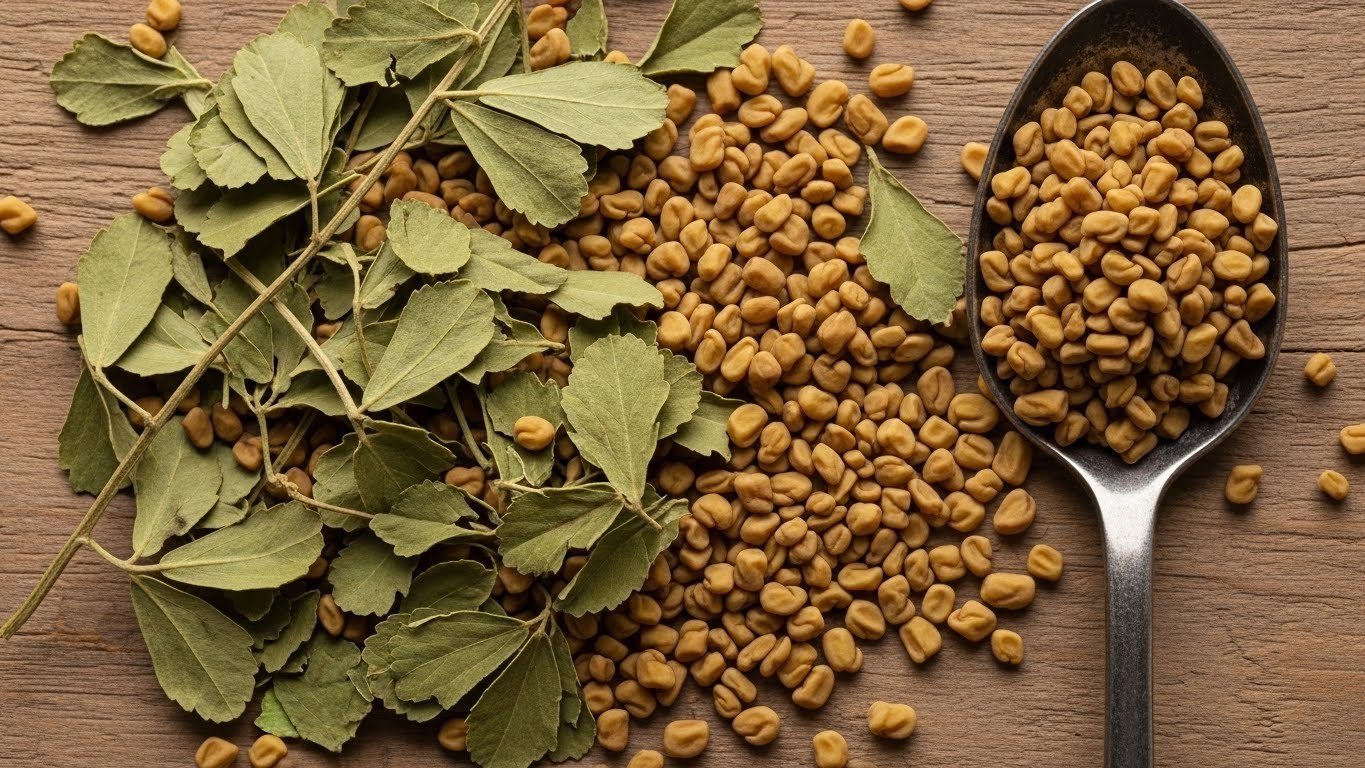
Foenegriek is an herb made from the seeds of the Trigonella foenum-graecum plant. It originally comes from Asia and the Mediterranean region and has been part of traditional medicine for thousands of years.
The seeds are tiny, golden-brown, and have a strong, sweet smell—kind of like maple syrup. They’re often used in cooking, especially in Indian and Middle Eastern dishes. But foenegriek isn’t just a spice—it’s also packed with health-supporting nutrients and natural plant compounds.
You can use foenegriek seeds whole, ground into powder, or taken in capsules or teas. People use it for many reasons: better digestion, more energy, healthy breastfeeding, and even shiny hair.
Naturally rich in fiber, protein, and minerals like iron and magnesium, foenegriek is more than just a herb—it’s a super seed.
Foenegriek for Digestion and Gut Health
Many people turn to foenegriek when their stomach isn’t feeling great. Why? Because foenegriek contains natural fibers and plant compounds that help your gut work better.
Here’s how it helps:
- Soothes the stomach by coating the lining when you’re feeling acid pain or heartburn
- Helps digestion by adding bulk to your stool and easing constipation
- Reduces bloating and gas, especially when taken as a tea or warm drink
- Improves appetite if you’re struggling to eat enough
If you often feel uncomfortable after eating or deal with tummy troubles, foenegriek may be a gentle and natural way to support your gut. Drink it as a tea or use the powder in soups or smoothies.
Foenegriek and Blood Sugar Control
One of the most widely studied benefits of foenegriek is how it helps support healthy blood sugar levels. This makes it an important herb for people with type 2 diabetes or insulin resistance.
Foenegriek contains a special type of fiber called galactomannan, which helps slow down how fast sugar is absorbed in your stomach. That helps your body avoid sudden sugar spikes after meals.
Here’s what studies have found:
- Lower post-meal glucose levels
- Improved insulin sensitivity
- Better long-term blood sugar control (HbA1c)
- Reduced cravings and hunger swings
If you are watching your blood sugar, talk to your doctor before adding large amounts of foenegriek, especially if you already take diabetes medicine.
Foenegriek for Milk Supply and Breastfeeding
If you’re a new mom struggling with milk supply, foenegriek might be your new best friend. It has long been used as a natural galactagogue, which is a fancy word for herbs that help with breast milk production.
Many moms report their milk volume goes up within days of taking foenegriek supplements or tea. Some studies also show a clear increase in milk output and faster weight gain in breastfed babies.
It may help by:
- Stimulating hormones related to milk-making
- Improving hydration levels in the body
- Easing stress and supporting mood during postpartum recovery
Standard doses range from 1 to 3 capsules, two to three times a day, but every body is different. Always consult your midwife or doctor before trying herbal remedies while nursing.
Foenegriek for Hair, Skin, and Beauty
Want longer, healthier hair or clearer skin? Foenegriek can help here, too. Thanks to its high vitamin and protein content, foenegriek is often used in homemade hair masks and natural skin scrubs.
Here’s how it supports beauty and self-care:
- Fights dandruff and dryness when used on the scalp
- Encourages hair growth because of iron and protein
- Reduces hair fall by strengthening roots
- Soothes acne when applied as a paste due to its anti-inflammatory properties
- Improves skin glow with its natural antioxidants and hydration power
To try it, soak the seeds overnight, grind into a paste, and apply to your hair or skin for 15–20 minutes before rinsing. You can also drink foenegriek tea for beauty benefits from the inside out.
Energy and Mood: How Foenegriek Supports Hormones
Feel tired or moody all the time? Foenegriek might help with that too. Some studies show foenegriek has natural hormone-balancing effects, especially in women going through PMS or menopause.
It may help:
- Balance estrogen levels
- Reduce tiredness and mental fatigue
- Improve mood and focus
- Enhance libido (for both men and women)
- Ease hot flashes or stress related to hormonal shifts
These benefits come from the herb’s unique compounds called phytoestrogens, which act similar to natural estrogens in the body.
You might not feel a huge change overnight, but after a few weeks of steady use, many people say they feel more emotionally stable, more energized, and more in-tune with their body.
Using Foenegriek for Men’s Health
Yes—foenegriek isn’t just for women! In fact, it’s known for supporting several important aspects of men’s health, including energy, muscle strength, and testosterone.
Some potential benefits reported in men include:
- Higher testosterone levels (naturally balanced, not boosted like steroids)
- Improved stamina and workout performance
- Better mood and mental clarity
- Support for libido and sexual health
- Reduced fat and more lean muscle mass
While it’s not a miracle pill, foenegriek supplements for men are getting more popular among those looking for something natural to power through work, fitness, or general fatigue.
Different Ways to Take Foenegriek
There are many ways to enjoy foenegriek, depending on your health goal and taste preferences. You can go for whole seeds, powder, tea, or capsules.
Here are the most popular options:
- Whole seeds: Used in cooking or soaked overnight in water for drinking
- Powder: Added to smoothies, yogurt, energy balls, or warm water
- Capsules or tablets: Easy to take as a daily supplement
- Foenegriek tea: Warm and calming, helpful for digestion and breastfeeding
- Topical pastes: Used for hair masks and skin packs
No matter which form you choose, make sure it is pure and high-quality. Organic is best if you want fewer additives. Start small with your dosage until your body adjusts.
Possible Side Effects and Safety Tips
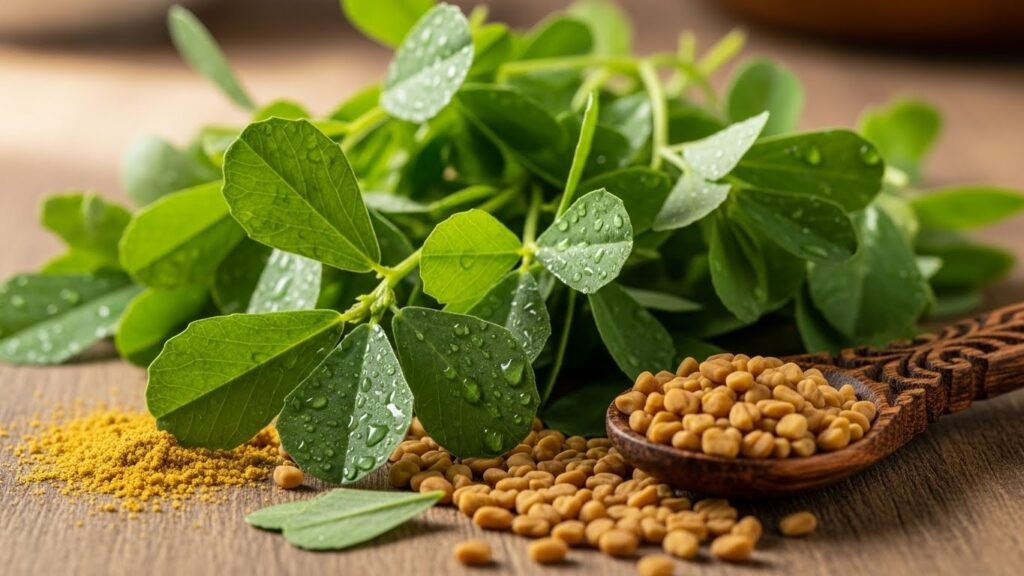
Even though foenegriek is natural, it’s not 100% risk-free. It’s always best to introduce herbal remedies slowly into your routine and watch how your body reacts.
Possible side effects for some people:
- Stomach upset or gas (especially at first use)
- Mild allergic reactions
- “Maple syrup” body odor (that’s normal!)
- Lower blood sugar (which could affect people with diabetes)
- Can affect pregnant women (not recommended during early pregnancy)
Safe use tips:
- Start with small doses and increase as needed
- Avoid high doses if pregnant unless advised by a doctor
- If on medication, check with your doctor before starting foenegriek
- Drink plenty of water for digestion and overall support
For most people, foenegriek is very safe when used properly, and side effects are mild or temporary.
Who Should Not Use Foenegriek?
While many people benefit from foenegriek, it’s not for everyone. If you fall into any of the groups below, speak to a doctor before taking it:
- Pregnant women (especially in the first trimester)
- People with hormone-sensitive conditions like breast or uterine cancer
- Those with low blood sugar or taking insulin or diabetes meds
- People allergic to peanuts, chickpeas, or other legumes (related plant family)
- Children, unless guided by a doctor
If you have surgical procedures coming up, stop using foenegriek about two weeks before, as it may slightly thin the blood. Safety first—herbs are powerful, and even natural things need care!
Where to Buy Quality Foenegriek Products
Buying high-quality foenegriek is key to getting good results. Because it’s a popular natural remedy, many brands sell it online and in health stores.
Here’s what to look for:
- Certified organic for fewer pesticides or additives
- Third-party tested for safety and purity
- Labeled with clear dosage instructions
- Buy from reputed brands or pharmacies—avoid cheap, questionable sources
Trusted brands often offer powder, seed, tea, or capsules. Some even combine foenegriek with other herbs like fennel, turmeric, or ashwagandha for extra benefits.
Always read reviews and check quality certifications. Sometimes, paying a little more means getting a much better—and safer—product.
FAQs
1. Can I use foenegriek daily?
Yes, many people take it daily, especially in small doses like 1–2 capsules or a spoonful of powder.
2. How long before I see results?
Some effects like digestion or milk supply may show in days. Others like hair, energy, or blood sugar may take 3–6 weeks.
3. Can kids use foenegriek?
Only under medical guidance. It’s often not recommended for young kids without professional approval.
4. Does cooking reduce benefits?
Cooking may reduce some nutrients but still offers benefits. To get full power, use foenegriek tea or raw powder.
5. Can you take foenegriek with vitamins?
In most cases yes! But always ask a doctor if you’re using other herbal or prescribed meds too.
6. Why does foenegriek make my sweat smell sweet?
Totally normal! A compound in foenegriek makes the body smell like maple syrup. It’s harmless and goes away with time.
Conclusion
If you’re looking for a simple, natural way to support your energy, hair, hormones, digestion—or even breastfeeding—foenegriek is worth considering. It’s affordable, easy to use, and trusted by many cultures around the world.
Whether you’re adding the seeds to food, sipping calming foenegriek tea, or starting a supplement routine, just remember: consistency is key.
As with all natural remedies, start low and go slow. Keep track of how you feel over time. And most importantly, listen to your body. Nature has a lot to offer, and foenegriek might be the little helper you need every day.