Table of Contents
Introduction
Have you ever felt like no one was listening when you had a problem with a company, a school, or even your workplace? That’s where an Ombudsmann (plural: Ombudsmänner) comes in. An Ombudsmann is someone who listens to people’s complaints and helps fix problems in a fair way.
The word “ombudsman” is from Sweden, and it means “representative.” An Ombudsmann does exactly that—they act as a guide and helper when others don’t know where to turn. In simple words, they make sure people are treated fairly and that rules are followed.
Whether you’re dealing with a school issue, medical billing confusion, or a workplace complaint, Ombudsmänner can help. In this article, we’ll explain what they do, where they work, and why they’re important. We’ll keep it clear and simple, so everyone—from students to parents to employees—can understand and benefit from this helpful role.
Let’s explore the world of Ombudsmänner and see how they support fairness every day.
What Does an Ombudsmann Do?
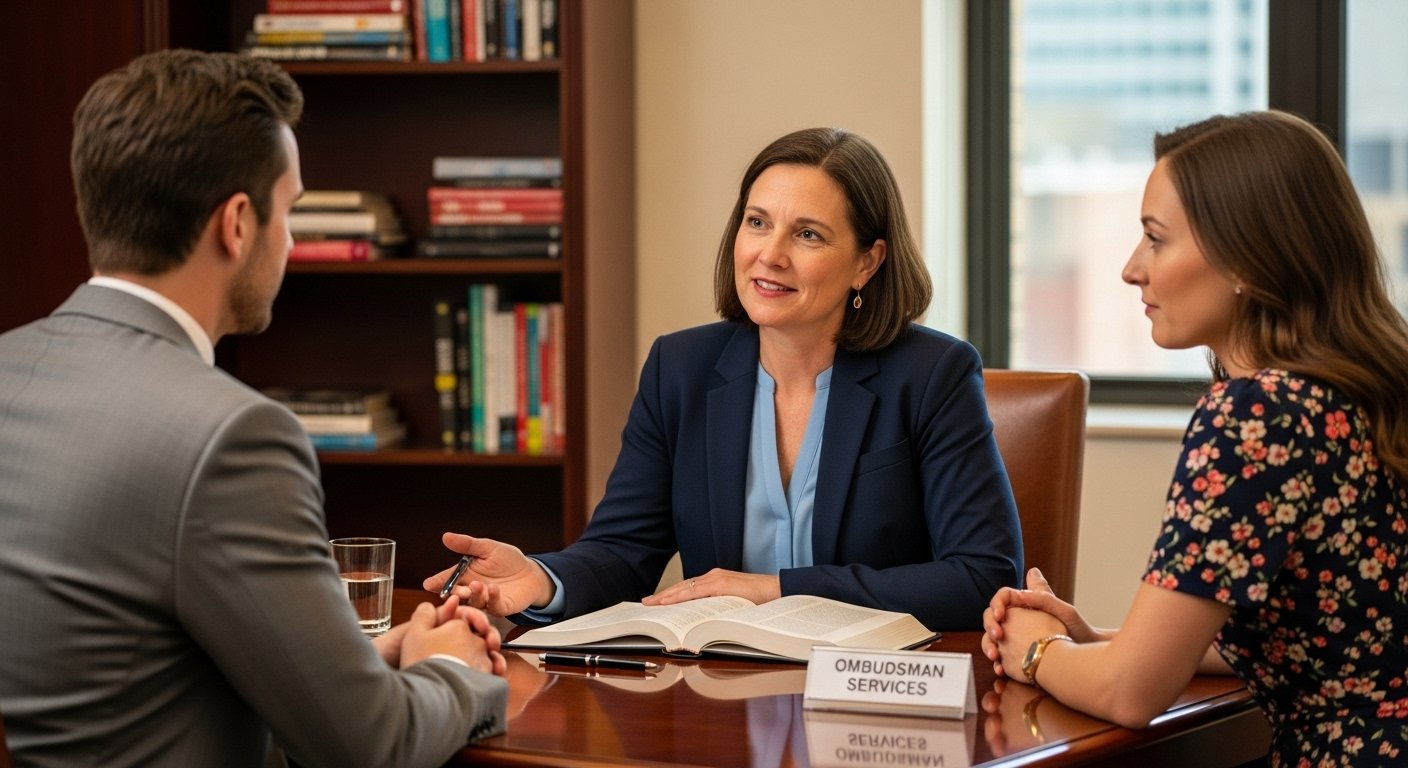
An Ombudsmann is someone you can talk to when you’re having a problem and don’t know how to solve it. They don’t take sides. Instead, they listen carefully to both people involved in a conflict and try to understand what went wrong.
Here are some tasks they often do:
Listen to concerns or complaints
Investigate facts in a fair and private way
Suggest ways to solve the problem
Explain people’s rights in simple terms
Help institutions follow their own rules
Ombudsmänner don’t make legal decisions like a judge, but they can make strong recommendations that get taken seriously. They focus on fairness, transparency, and respect.
Where Do Ombudsmänner Work?
You can find Ombudsmänner in many places! Because almost every business or organization needs someone to make sure things are fair, they are hired in:
Government offices
Universities
Healthcare systems
Banks or insurance companies
Workplaces and unions
Wherever people might feel mistreated or confused by rules, Ombudsmänner can step in to bring clarity and peace.
Why Are Ombudsmänner Important?
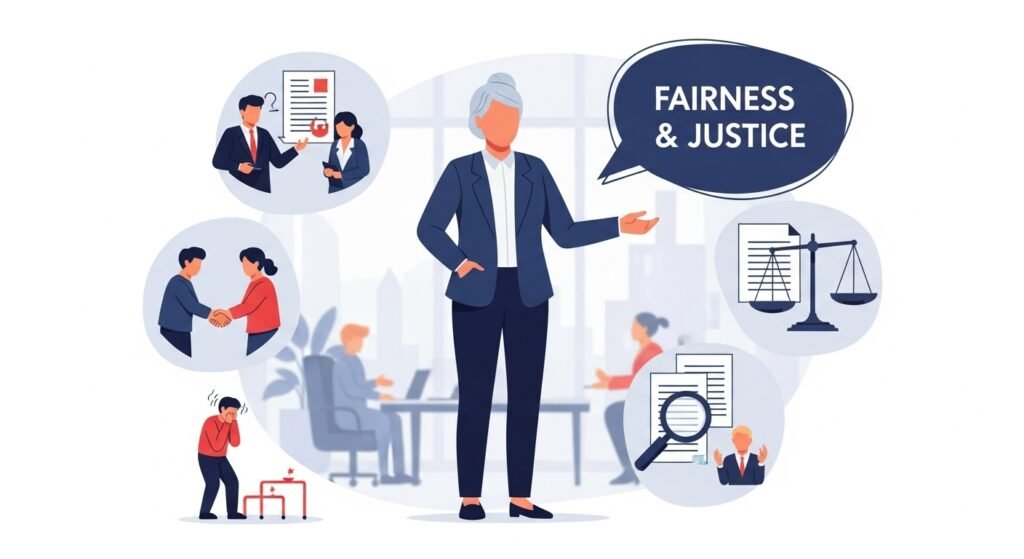
Fairness is something we all care about. But sometimes, even with rules in place, things go wrong. That’s when Ombudsmänner become so important.
Here’s why:
They give people hope when they feel powerless
They uncover unfair practices that might go unseen
They keep systems accountable
They teach us to solve problems peacefully
They help avoid lawsuits or public problems by fixing things early
When people know that Ombudsmänner are available, they feel safer. It shows that an organization cares enough to listen and improve.
The Qualities of a Good Ombudsmann
Not just anyone can be a good Ombudsmann. This job requires special qualities that make people comfortable sharing personal problems.
Strong qualities include:
Listening skills
Fairness
Privacy
Patience
Understanding of policies
Problem-solving
Because Ombudsmänner deal with people of all types and stories, respect and open-mindedness are a must. Great Ombudsmänner create safe spaces where all voices matter.
A Day in the Life of an Ombudsmann
What does a typical day look like for someone working in this role?
Here’s how a day might go:
Morning: Check emails and voicemails from people asking for help
Midday: Meet with a person who’s upset about how they were treated
Afternoon: Meet with a manager to understand their point of view
Late afternoon: Write a report with advice or options
End of day: Train a group on peaceful conflict tools
Every case is different. Some days are emotional. Some are busy. But every day, Ombudsmänner work hard to build understanding and resolution.
Ombudsmänner in Schools and Universities
In education, students, teachers, and staff all need help sometimes. That’s why Ombudsmänner play an important part in schools and universities.
They help with:
Bullying or harassment complaints
Student-teacher conflicts
Grading disputes
Staff teamwork problems
Policy confusion
Many students, especially in college, don’t know where to go when something feels unfair. Ombudsmänner make those paths clear and offer supportive ways to speak up.
How Ombudsmänner Help in Healthcare
Healthcare is complex. With patients, doctors, bills, and rules, things can get confusing fast. That’s why hospitals and clinics often hire Ombudsmänner to help.
They support people by:
Explaining what medical terms mean
Helping patients if care didn’t go as expected
Talking with staff about complaints
Helping fix communication between departments
Supporting families during difficult times
When someone is not feeling well, they need help—fast and kind. Healthcare ombudsmänner make sure patients are treated with fairness and dignity.
Ombudsmänner and Workplace Conflicts
When people work together, sometimes conflicts happen. But not all problems need a courtroom. That’s where Ombudsmänner in workplaces make a difference.
They deal with:
Worker-manager disagreements
Bullying or toxic work culture
Discrimination complaints
Miscommunication about roles
Promotion or unfair pay concerns
With confidentiality and kindness, Ombudsmänner help people understand each side and move forward. Many workplaces say that productivity increases after adding this role.
The Difference Between Ombudsmänner and Lawyers
People often wonder: Is an Ombudsmann the same as a lawyer? The short answer is no.
Here’s the difference:
Ombudsmänner – Act as mediators, work inside organizations, try to fix problems early, don’t make judgments
Lawyers – Represent one side, often work with courts, may go through legal cases, help win legal cases
Ombudsmänner aim for peace, not punishment. They give everyone a chance to be heard before things get worse. That’s why many people go to them first, even before calling a lawyer.
How to Find an Ombudsmann Near You
Need help and think an Ombudsmann could be right for you?
Here’s how to start:
Check your company’s HR department
Ask your school or university counselor
Visit government or healthcare websites in your city or region
Search for “ombuds office” + your location online
Look on ombudsman associations and networks for listings
Many ombudsmänner offer help for free and keep things private. Reaching out can be the best first step to solving your problem with care.
Training and Education for Future Ombudsmänner
Want to become an ombudsmann or learn the skills used in this role?
Here’s what helps:
Good experience in law, dispute resolution, social work, or coaching
Communication and negotiation training
Study programs in mediation, ethics, or public policy
Certifications in conflict resolution or grievance procedures
Internships or assistant roles in ombuds offices
Even if you don’t want to do it full time, the skills used by ombudsmänner help in everyday life: listening, kindness, and peaceful problem solving.
FAQs
1. What is the plural of ombudsmann?
The plural is Ombudsmänner, which follows German grammar. In English, many say “ombudspersons” or “ombuds.”
2. Do Ombudsmänner have legal power?
No, they don’t have legal authority, but their recommendations are often taken seriously.
3. Are Ombudsmänner always neutral?
Yes. A big part of their job is staying completely neutral and treating both sides fairly.
4. Will talking to an ombudsmann be private?
Absolutely. Most ombudsmänner follow strong privacy rules and won’t share your issue without permission.
5. Do all companies have ombudsmänner?
Not yet, but many are adding them! Schools, hospitals, banks, and big businesses often have this role.
6. Can kids or teens talk to ombudsmänner?
Yes! In schools, students can reach out if something feels unfair or confusing.
Conclusion
Fairness is something we all deserve. Whether you’re a student, worker, parent, or neighbor—it feels awful when your voice isn’t heard. That’s why Ombudsmänner are so important.
They help people speak up and find peace in a kind and respectful way. They don’t yell. They don’t choose sides. They care about solving problems.
More schools, businesses, and governments are seeing how much good these roles can do. When fairness is protected, people feel safe, respected, and valued.