Table of Contents
Introduction
You may have heard about asbestlint, but aren’t quite sure what it means. Is it something in your house? Is it dangerous? Can it harm your health? These are great questions—and the answers are important, especially if you live in an older home, work in construction, or care about indoor safety.
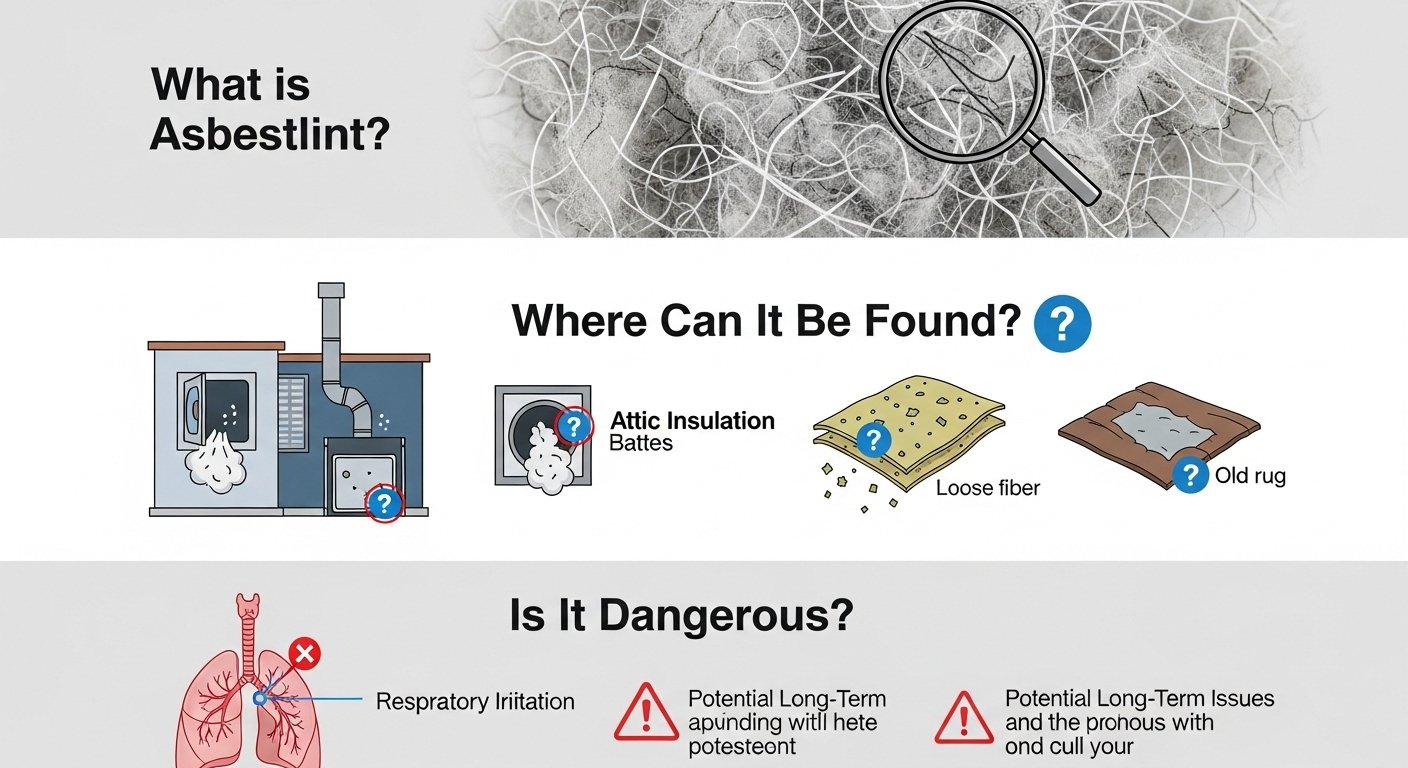
Asbestlint is a term used to describe a mix of asbestos and lint-like fibers. It often shows up in older buildings, especially in insulation, ventilation ducts, and heating systems. Though it may look harmless, asbestlint can pose serious health risks if it’s disturbed and the fibers become airborne.
This article will guide you through everything you need to know about asbestlint. We’ll explore where it’s found, why it’s dangerous, how to spot it, and how to stay safe. We’ll explain everything in simple language so that anyone—even a child—can understand.
Let’s take a closer look at this hidden hazard and learn how to protect ourselves and our loved ones from it.
What Exactly Is Asbestlint?
To understand asbestlint, we first need to understand asbestos. Asbestos is a natural mineral made of tiny fibers. It used to be used in many building materials because it’s strong, fire-resistant, and doesn’t easily wear down.
Now, imagine small bits of this asbestos breaking down and mixing with lint, dust, or other soft particles. That’s asbestlint. It looks like regular lint or soft fluff. But it can be very dangerous if touched or disturbed.
Asbestlint can break apart easily, sending tiny fibers into the air. Breathing in those fibers can hurt your lungs and lead to serious diseases, such as asbestosis or mesothelioma.
In short, asbestlint is a dusty mix that contains harmful asbestos fibers. It might be hiding without you even knowing it—especially in homes or buildings built before the 1980s.
Where Can You Find Asbestlint?
Asbestlint usually hides in older places. It’s not often talked about, so many people don’t even know it’s there. But if a building or home is more than 40 years old, there’s a chance that asbestos-based materials were used somewhere.
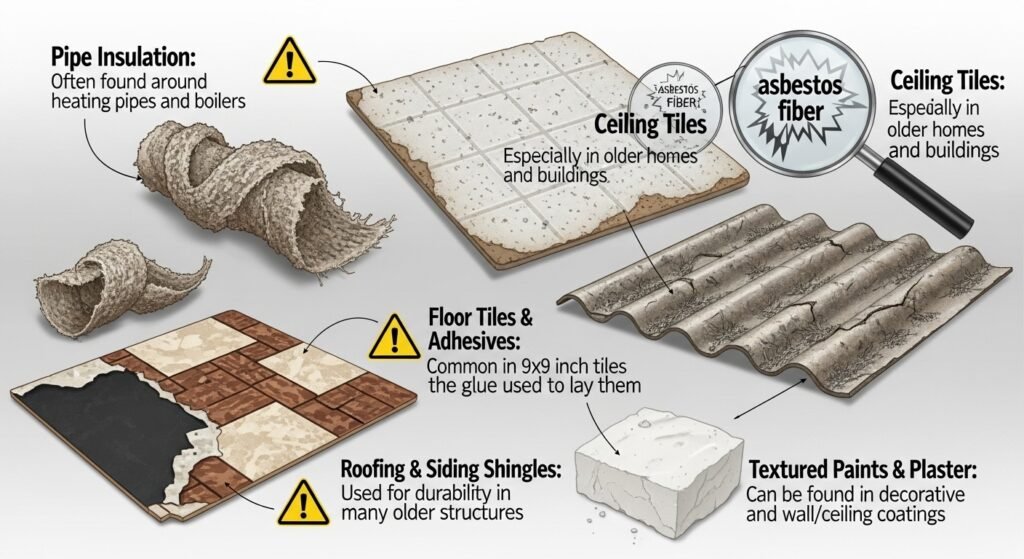
Here are the most common places you might find asbestlint:
- Around old heating ducts
- Inside air conditioning units
- In the lining of furnaces
- Near boiler rooms
- Hidden inside old wall or attic insulation
- Around pipes and plumbing wraps
Over time, these materials can break down due to age, repairs, or movement. When they crumble, the fiber-lint mix releases into the air, creating asbestlint.
Asbestlint isn’t always visible. You might not notice it at all until a renovation or clean-up exposes it. That’s why it’s so important to be careful before disturbing older materials.
Why Is Asbestlint So Dangerous?
The biggest problem with asbestlint is that the asbestos fibers inside it are almost invisible. They float in the air like dust, and you can breathe them in without noticing. Once inside your lungs, these fibers can stay there for years.
Here’s what can happen over time:
- Asbestosis: A lung disease that causes shortness of breath and serious breathing issues.
- Mesothelioma: A rare, deadly cancer typically caused by asbestos exposure.
- Lung Cancer: Long-term inhalation of asbestos fibers can increase the risk.
- Other breathing problems: Coughing, tight chest feeling, wheezing, and feeling tired.
The scary part? These problems don’t show up right away. It might take 10 to 40 years after exposure for symptoms to begin.
This makes asbestlint even trickier because people often don’t know they were ever exposed to it. That’s why prevention and awareness are key.
How to Tell If Something Might Be Asbestlint
Asbestlint doesn’t come with a label, so how can you tell if it’s around? It’s not always easy. But there are clues that can help.
Look out for:
- Dusty materials around heaters, vents, or pipes in old buildings.
- Gray or white fluff that looks like dryer lint but comes from old insulation.
- Crumbling or brittle insulation in the attic, basement, or walls.
- Chalky or fuzzy debris near heating units or ducts.
If you find something that might be asbestlint, don’t touch it. Leave it alone and call an expert for help. It’s better to be extra careful and get it tested before you clean or remove it.
What Does Asbestlint Look Like?
Asbestlint can look different depending on where it comes from. But usually, it appears as:
- Soft, fluffy material
- Gray, whitish, or off-white in color
- Thin and dusty
- Clumps that stick to insulation, pipes, or ducts
It might look harmless—just like lint from your dryer. But inside that fluffy texture might be millions of dangerous fibers that can cause lifelong health problems.
If you ever come across something that looks like this inside your home—especially in older sections or hidden spots—treat it with caution.
What To Do If You Suspect Asbestlint
So, you think you may have found asbestlint in your home. What now? First, stay calm but do not disturb it. Here’s a safe-action plan:
- Don’t move or touch it. Just leave it alone.
- Close off the area if possible. Keep others away.
- Don’t vacuum or sweep—this can spread fibers into the air.
- Call a licensed professional. Find an asbestos or environmental expert in your area.
- Get the material tested. This is the only way to know for sure if it’s asbestlint.
Once the pros know what it is, they can help you plan safe removal—or sealing, if it’s safer not to move it at all.
Can You Remove Asbestlint Yourself?
No—not safely. Removing asbestlint yourself is not recommended. In fact, in many places, it’s illegal for untrained people to remove asbestos materials.
Why? Because improper handling turns the fibers airborne fast. A simple brush or sweep could fill the air with harmful dust.
Licensed asbestos removal professionals:
- Wear special suits and masks
- Use safe tools and sealed bags
- Seal off parts of your house
- Clean the air with special machines
If you care about your health and your family’s safety, call the pros. Never risk exposure to save money or time. Your lungs are worth much more.
How Does Asbestlint Get Into the Air?
Asbestlint becomes dangerous when it goes airborne—and that can happen in several ways:
- During renovation or repair when walls, pipes, or ducts are opened
- With vibration or movement from loud machines or heavy footsteps
- Through air vents and duct leakage
- When kids or pets unintentionally disturb it in basements or attics
Once it’s in the air, you can’t see it. You can breathe it in without even knowing. That’s why prevention is so important—especially before starting work in old buildings.
Who Is Most at Risk from Asbestlint Exposure?
Anyone can be at risk. But some groups are in greater danger than others:
- Workers in older buildings (like construction workers or electricians)
- Homeowners doing DIY renovations
- Teachers and students in older schools
- Families living near exposed materials
- Children and pets—because they play close to the floor
If any of these folks are exposed to asbestlint, they could breathe in harmful fibers. And since children breathe faster than adults, they may face higher risks over time.
Knowing where it might be and how to avoid exposure is the best defense.
How to Prevent Asbestlint Exposure
Preventing asbestlint exposure starts with awareness. If you live or work in a building over 40 years old, follow these steps:
- Get a home inspection: Certified inspectors can detect asbestos materials.
- Avoid DIY projects in suspicious areas.
- Don’t disturb old insulation or ductwork.
- Use professionals for renovations.
- Seal or encapsulate areas if removal isn’t safe.
Also, teach your kids not to touch odd-looking lint or dust in basements, garages, or attics. Create a home rule: “If you don’t know what it is, don’t touch it.”
Is Asbestlint Still Around Today?
Yes, sadly it is. Even though asbestos use has dropped and been banned in many places, millions of older buildings still have asbestos materials inside them. And as these materials age, they often break down into asbestlint.
So even though we no longer build with asbestos, we’re still living with its risks. Knowing how to spot and safely address it keeps you and your family protected.
FAQs
1. Is asbestlint the same as normal lint?
No. Regular lint from clothes or dryers isn’t harmful. Asbestlint contains asbestos fibers and is very dangerous.
2. What should I do if I accidentally touched asbestlint?
Wash your hands and clothes right away. Avoid touching your face. Then call a professional to check the area.
3. Can I vacuum up asbestlint?
No! Vacuums can spread asbestos fibers through the air. Never vacuum suspicious dust or lint.
4. Is it okay to paint over asbestlint?
Sealing it is only a good option if done by a licensed asbestos professional. Never try it yourself.
5. Are newer homes safe from asbestlint?
Most homes built after the 1990s are safe. But if your home is older, it’s smart to get it checked.
6. How much exposure to asbestlint is dangerous?
There’s no safe level of asbestos exposure. Even small amounts over time can cause serious health issues.
Conclusion
Asbestlint may not be a word you hear every day, but it’s something everyone should know about. It may hide in homes, schools, or buildings that look totally normal—and it can pose health dangers if it’s disturbed.
But with awareness, caution, and the help of professionals, you can stay safe. If you spot something strange or dusty in an older space, don’t panic. Just be smart. Keep your air clean, your family safe, and your home healthy.
And remember: When it comes to asbestlint, prevention is always better than cure. Stay curious, stay cautious, and share this knowledge with others.