Table of Contents
Introduction
Have you ever seen wild animals near towns or houses and wondered: who takes care of that? That’s where viltnemnda comes in. If you’ve spent time in Norway or read about wildlife management in rural areas, you may have heard of viltnemnda—but what exactly is it?
In simple words, viltnemnda is a local wildlife committee found in Norway. Their job is to help manage, protect, and sometimes handle wild animals when they get a bit too close to people. They care about things like moose, deer, bears, and even smaller animals like foxes or raccoons.
In this guide, we’ll explain what viltnemnda is, what it does, how it helps animals and people, and why it’s an important part of keeping nature and society in balance. Whether you’re new to the term, live in a place with lots of wildlife, or you’re just curious, this article is packed with useful and fun facts.
Let’s get started and learn all about viltnemnda—the unsung heroes of wildlife care.
Viltnemnda: A Quick Definition
So, what does “viltnemnda” actually mean? In Norwegian, “vilt” means wildlife, and “nemnda” means a committee or panel. Put them together, and viltnemnda simply means “wildlife committee.”
In Norway, each municipality (local area or district) has its own viltnemnd, often made up of local volunteers, hunters, and people with wildlife experience. They work with the authorities to make sure wildlife and humans can live near each other safely.
Different towns may have different rules, but the main idea is that the viltnemnda works closely with police, animal control, farmers, and hunters to deal with wild animal issues—both in emergencies and for planning.
Members of a viltnemnda are usually chosen because they know a lot about animals, forests, hunting, and safety.
What Does the Viltnemnda Actually Do?
The daily work of viltnemnda includes a wide range of responsibilities. Think of them as wildlife caretakers, problem solvers, and emergency responders, all rolled into one.
Here are some of the main tasks of viltnemnda:
- Help when wild animals are hit by cars (especially moose or deer)
- Track wounded animals for humane help or removal
- Count and monitor wildlife populations (using tracking methods)
- Participate in local wildlife planning
- Decide on hunting plans and quotas
- Support local farmers if animals are getting too close to livestock
- Educate the public about how to live safely near wild animals
So, if a moose walks too close to a schoolyard, or a deer needs to be tracked after an accident, the viltnemnda steps in.
Why Is the Viltnemnda Important in Norway?
Norway is full of beautiful nature, tall forests, and wide mountains. This means humans and wildlife often share the same space, especially in rural areas.
Because of this, the job of viltnemnda is very important. Without this local group managing wildlife encounters, people could be at risk, animals could suffer, and chaos could follow.
Here’s why viltnemnda is so valuable:
- Animals are protected from suffering during accidents
- Roads are safer with fast animal-response teams
- Hunters get legal and fair wildlife quotas
- Towns and farms suffer fewer animal-related damages
- People get educated about nature and responsibility
Viltnemnda protects both animals and people, working quietly behind the scenes to keep peace between nature and society.
Who Can Be a Member of Viltnemnda?
Not everyone can join the viltnemnda– but you can apply if you meet certain requirements.
The most common members are:
- Experienced hunters
- Farmers with field knowledge
- Outdoor specialists like rangers or foresters
- Local citizens with training on wildlife
- Animal lovers with good tracking and problem-solving skills
Most viltnemndas prefer members who are level-headed in emergencies and care about the animals too. Training is often provided by the local municipality, and decisions are usually made by voting, not by force.
Being part of viltnemnda is a big responsibility but also a fulfilling role that helps both the environment and the local community.
How Does Viltnemnda Handle Wildlife Accidents?
One of the viltnemnda’s most important jobs is to help when wild animals are injured, especially after car crashes.
For example, if a moose is hit by a car:
- A call is made to the local police
- The police notify viltnemnda immediately
- A trained team member tracks the animal using signs or a dog
- The animal is either treated or euthanized humanely, depending on the injury
- A report is made for records and government use
This process is called ettersøk, or search and recovery. It’s a hard job, but a necessary one. Viltnemnda works fast to reduce pain, avoid further accidents, and protect drivers from unexpected dangers.
Many drivers have said the quick action from viltnemnda made them feel calm and supported during stressful moments.
What Animals Does Viltnemnda Work With?
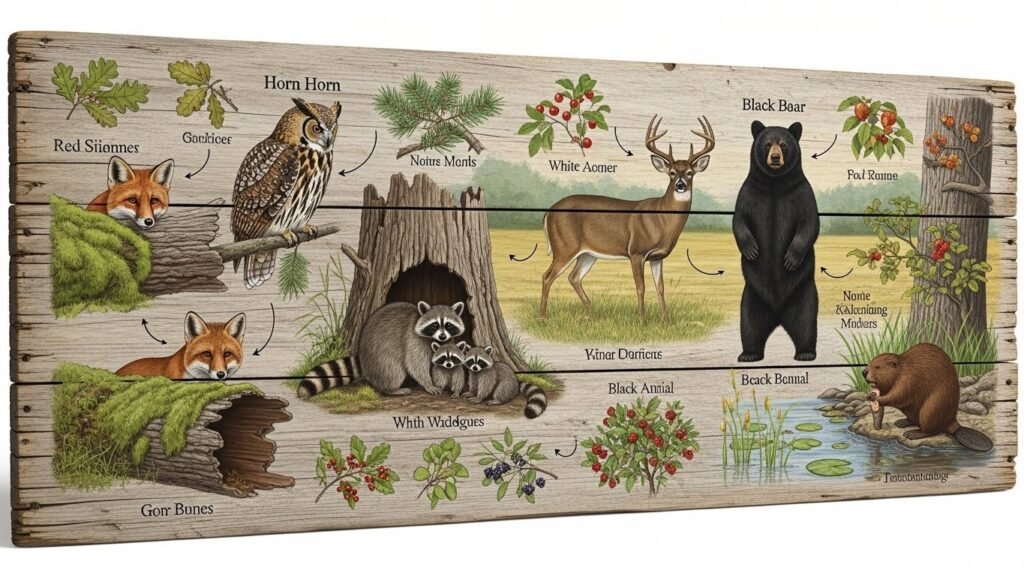
Although moose and deer get the most attention, viltnemnda helps with many kinds of wildlife.
Here’s a list of animals commonly handled:
- Moose (Elg) – The biggest and most likely to cause road accidents
- Deer (Hjort and Rådyr) – Seen both in woods and towns
- Foxes (Rev) – Sometimes cause problems near farms
- Wolves or bears – Rare but need special response plans
- Wild boars – Increasing in some areas, especially dangerous near crops
- Birds of prey – If found hurt or in odd places
- Beavers, otters, seals – Depending on the region
Each animal case is taken seriously, and viltnemnda often works with vets, police, and national wildlife professionals to make smart choices for animals and people.
How Is Viltnemnda Different from Animal Control?
Some people think viltnemnda is just animal control, but that’s not the whole story.
Here’s the key difference:
- Animal control focuses mostly on domestic animals, like pets, loose dogs, or farm animals in cities
- Viltnemnda focuses only on WILD animals, like those found in forests, fields, or near roads
They also take part in long-term planning, not just emergency calls. So while the dog catcher chases strays, viltnemnda manages wildlife for the future.
This distinction matters in rural Norway, where wildlife problems require trained trackers, hunters, and field knowledge.
How Is Data from Viltnemnda Used?
All that tracking, reporting, and planning isn’t just for now—it helps with research and data gathering across Norway.
Each wild animal collision, sighting, or hunt report is logged and shared with:
- National parks
- Scientists and wildlife researchers
- The Norwegian Environment Agency
- Insurance companies
- Law enforcement
The data is used to:
- Track population changes in species
- Set better hunting quotas
- Build animal crossing areas on highways
- Create wildlife education programs in schools
So when viltnemnda helps chase a moose today, that action helps shape wildlife laws tomorrow.
Tools and Techniques Used by Viltnemnda
Let’s talk gear! Members of viltnemnda use modern tools and old tracking skills to do their work right.
Some tools include:
- GPS trackers to record sightings or follow animal movement
- Drones for large area searches
- Tracking dogs trained to follow wounded or stressed animals
- Binoculars and thermal cameras for spotting wildlife
- Portable radios to stay in touch in remote areas
- First aid kits for animals or humans during fieldwork
With a mix of technology and personal skill, the viltnemnda gets out there—rain, snow, or shine.
How to Contact Viltnemnda in an Emergency
If you hit a wild animal or see an injured one, you should contact local police immediately at Norway’s emergency number—02800. From there, police will notify viltnemnda.
You can also:
- Contact your municipality’s website for a direct number
- Call the local wildlife pager line, if one is active
- Use a wildlife app where available to report sightings fast
Stay calm, move away from the animal, turn on your hazards, and never try to approach or help large wild animals alone.
The viltnemnda knows how to handle it with safety in mind.
FAQs
1. What is viltnemnda in English?
Viltnemnda translates to “wildlife committee” in Norway. It’s a local volunteer group that helps manage and protect wild animals.
2. Is viltnemnda a paid job?
Usually, it’s a volunteer role. Some expenses or travel costs may be covered by the municipality.
3. Can I call viltnemnda directly if I see a wild animal?
In emergencies, call 02800 (police), who will contact viltnemnda. For non-urgent help, check your town’s website.
4. Does viltnemnda only work with moose or deer?
No. Viltnemnda deals with many wild animals, including foxes, bears, boars, and more.
5. Can I volunteer for viltnemnda?
Yes, in many areas! Contact your local town hall and ask about requirements and open positions.
6. Is viltnemnda only active in Norway?
The term “viltnemnda” is used in Norway, but similar wildlife committees exist in other countries under different names.
Conclusion
The next time you see a story about a moose on the highway or a deer being gently helped after an accident, think about the people behind the scenes—viltnemnda.
These volunteers check on injured animals, track wildlife, and work with towns—all to keep local life safer and more balanced. They protect animals, support farmers, help drivers, and gather knowledge for generations to come.
In a world moving fast, the viltnemnda reminds us that true care means we don’t leave nature behind. We bring it with us, with respect, planning, and compassion.