Table of Contents
Introduction
Have you come across the word lyposingrass and wondered what it is? You’re not alone. lyposingrass might sound new, but this grass-based plant is growing in popularity in the world of health, herbs, and healing. Many people turn to natural plants for wellness, and lyposingrass is quickly becoming one of those choices.
Lyposingrass is believed to be a special variety of grass rich in nutrients and naturally good for your body. It shows up in herbal teas, health drinks, powders, and supplements. People say it supports weight balance, digestion, energy, and detox, all in one simple, natural form.
In this guide, we’ll gently walk you through everything about lyposingrass—what it is, where it comes from, what it’s used for, and how to include it in your life. This article uses simple words and easy ideas, so everyone can understand and enjoy learning.
Let’s explore lyposingrass together and see if it could become your new favorite plant-based helper.
What Is Lyposingrass?
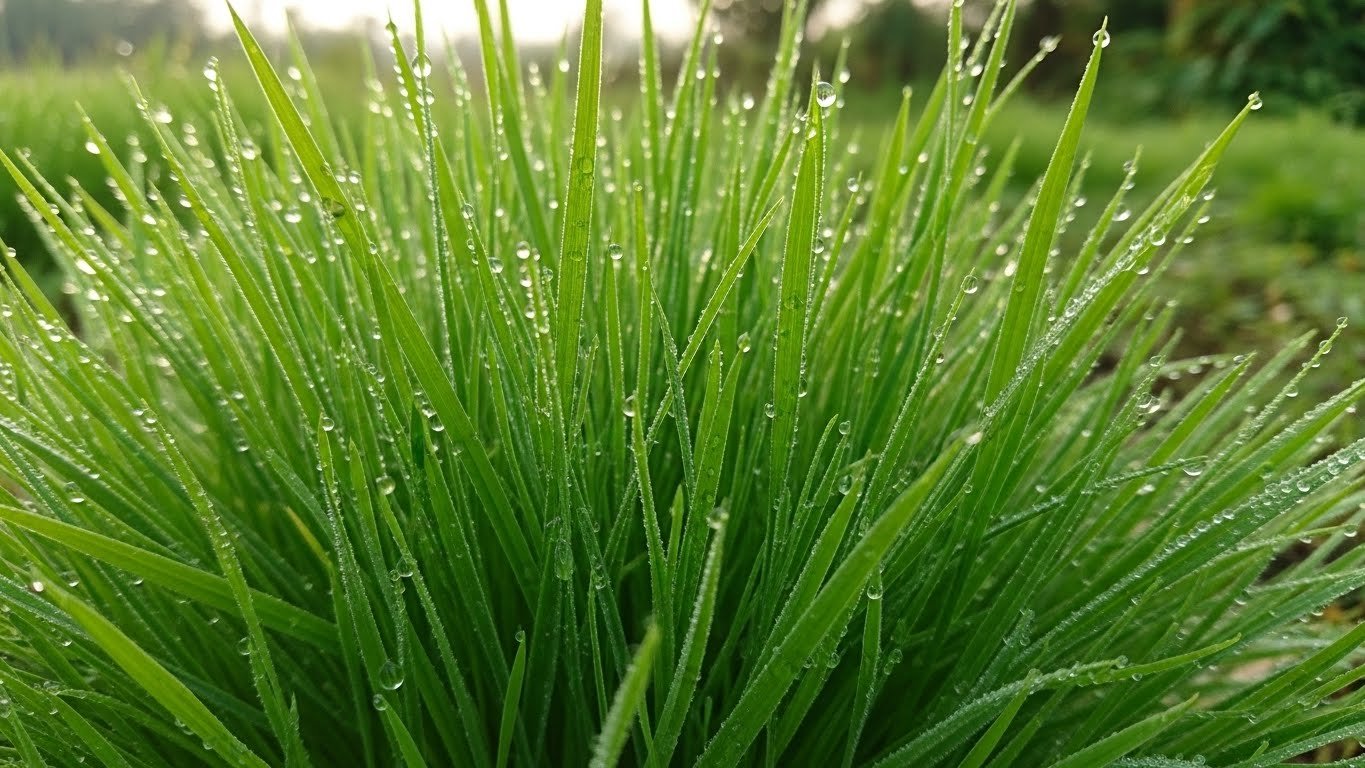
Lyposingrass is thought to be a unique, leafy green that belongs to the grass family. While the exact species varies by source, it’s often described as a herbal grass rich in fiber and phytochemicals.
The word “lyposingrass” likely comes from combining “lypo,” meaning fat or lipid, and “grass,” referencing its natural, grassy base. This name implies that lyposingrass might have properties that help break down or manage fat and metabolism, especially when used in tea, powder, or supplement forms.
Some believe lyposingrass is either a new species or a clever rebranding of types of known grasses like lemongrass, barley grass, or wheatgrass, which have long histories in traditional health culture.
No matter what the exact version is, lyposingrass is known for being fresh, mineral-rich, and easy to add to daily routines.
Is Lyposingrass a Real Plant?
This is a great question. Right now, “lyposingrass” doesn’t refer to a single, well-defined botanical species in plant textbooks. Instead, it is often used as a name for a grass-based herbal blend, tea formula, or health product made from dried grass, roots, or leaves.
Some sources link lyposingrass to:
- Cymbopogon species (like lemongrass)
- Barley grass
- Alfalfa
- Green tea grass blends
- Chlorophyll-rich pasture grasses
So whether lyposingrass is its own special plant or a healthy mix of grass herbs, the key idea is that it’s natural, nutrient-rich, and grassy by nature. The benefits it offers make it popular for people looking for natural wellness support.
Benefits of Lyposingrass: Why People Are Using It Daily
Lyposingrass is used in wellness teas, detox blends, cleanse drinks, and herbal capsules. Many health fans add it to their routine because it supports the body in several helpful ways.
Here are some reported benefits:
- Supports digestion: Its grassy fibers and plant enzymes may calm the stomach and reduce bloat
- Gentle fat support: People feel lighter and notice less puffiness
- Detox effects: Works as a natural flush for your system
- Rich in chlorophyll: This green pigment may promote better oxygen flow and skin health
- Can reduce cravings: Some users say they feel fuller and snack less
- Boosts hydration: Especially when enjoyed as a calming hot or cold tea
Keep in mind: these reported benefits come from users and herbal traditions, not high-level drug studies. But for many, lyposingrass feels like a gentle helper in daily life.
Lyposingrass and Weight Support — What’s the Connection?
Since “lypo” often means fat, many wonder— can lyposingrass help with weight?
Lyposingrass is not a fat burner like diet pills. Instead, it seems to support weight balance in a healthy, natural way.
Here’s how it may help:
- Promotes better digestion so your body handles food more efficiently
- Reduces bloating and water weight
- Encourages you to drink more water, especially if taken as tea
- Increases plant-based fiber, which may help with feeling full
- Supports liver health, a key part of fat processing
When added to a balanced routine of eating well and walking often, lyposingrass may act like a support buddy on the journey—not a miracle cure, but a steady help.
What Does Lyposingrass Taste Like?
Most describe lyposingrass as having a mild, fresh, grassy taste, like a mix of green tea and lemongrass. It can be a little earthy, but not bitter.
If you’re drinking lyposingrass tea, here’s what to expect:
- Smells green and peaceful
- Tastes calming and clean
- Not too strong
- Mixes well with lemon, mint, or ginger
Some people love the natural taste on its own. Others add honey or fruit slices for flavor. If you’re trying to cut down on sugar drinks like soda, lyposingrass tea is a good, gentle switch.
How to Use Lyposingrass Daily
You can use lyposingrass every day in many simple and fun ways!
Here’s how most people add it to their health routine:
- Drink it as tea: Brew a tea bag or dried lyposingrass in hot water. Have it morning or evening.
- Take it in capsule form: Easy for busy mornings—just swallow with water.
- Sprinkle lyposingrass powder: Add to green smoothies, yogurt, or oatmeal.
- Make iced lyposingrass drinks: Great for warm days. Add lime and mint!
- Mix it in juice cleanses: Blend with cucumber, celery, or apple juice for a fresh detox feel.
Lyposingrass works gently and best when taken regularly, like a helpful habit—not a one-time fix.
Is Lyposingrass Safe?
For most people, lyposingrass is considered safe when taken in normal amounts, like other herbal teas or powders.
But safety always matters. Here’s what you should know:
- Start slow: Begin with a small amount
- Hydrate well: It may increase urination or detox effects
- Watch for allergies: Rare, but some grasses cause reactions in sensitive people
- Avoid during pregnancy or nursing unless approved by a doctor
- Don’t mix with medicine without speaking to a professional
If you feel dizzy, overly tired, or get an upset stomach, stop for a few days and check in with your health provider. While gentle, lyposingrass should always be taken with care.
Where Can You Find Lyposingrass?
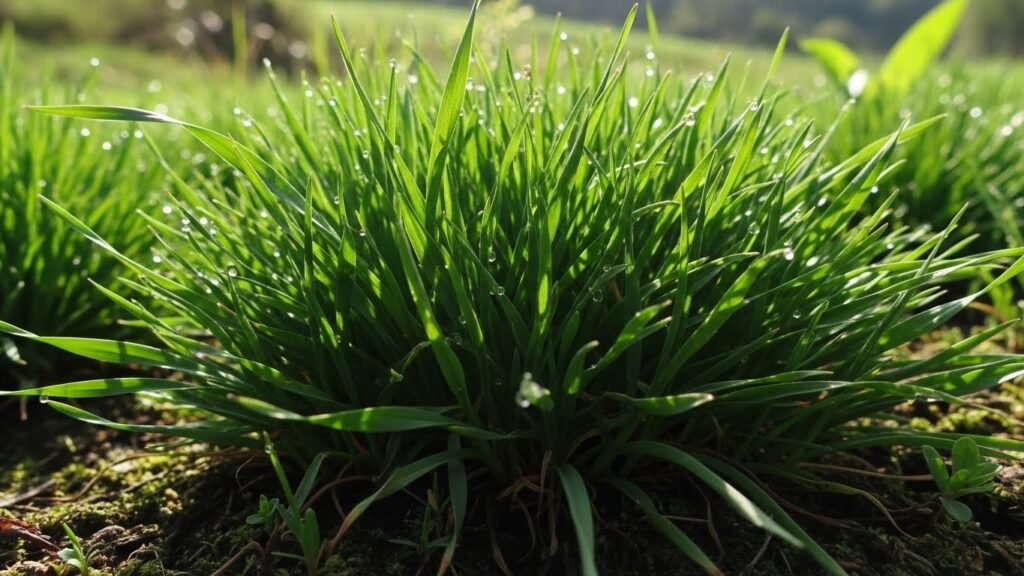
You can find lyposingrass products online or at health food stores.
Look for:
- “Lyposingrass tea” (loose leaf or bagged)
- Capsules or detox blends labeled as natural grass or metabolism blend
- Superfood powders with grass content
- Reputable sellers with third-party testing, reviews, and ingredient transparency
Don’t just search for price—look for quality, testing, and safety. Try small packs first to see how your body reacts before buying larger sizes.
Is Lyposingrass the Same as Lemongrass or Wheatgrass?
This is a common question. Lyposingrass is not officially the same as these other herbs, but they are somewhat related.
Let’s break it down:
- Lemongrass: Fragrant, fresh-smelling herb often used in food and drink. May be part of lyposingrass blends.
- Wheatgrass: Grown from wheat seeds; rich in chlorophyll, very green. Similar in health benefits.
- Barley grass: Another green superfood grass. Also seen in detox drinks.
- Lyposingrass: A modern term used to describe a grassy, fat-supporting herbal blend that includes one or more of the above.
Think of lyposingrass as a fresh brand name or nickname for familiar green herbal helpers.
Who Should Avoid Lyposingrass?
While lyposingrass is helpful for many adults, it’s not ideal for everyone.
Avoid lyposingrass if you…
- Have a grass allergy (like to hay or wheatgrass)
- Are pregnant or breastfeeding (unless doctor approves)
- Take blood thinners or diuretics (may increase effects)
- Have serious kidney or liver conditions
- Are under 18 (best to wait or ask a pediatrician)
As always, be smart and check with a healthcare provider before starting anything new—especially if you’re taking medications.
FAQs
1. What is lyposingrass good for?
It may support digestion, reduce bloating, help manage weight, and gently detox the body.
2. Can I drink lyposingrass tea every day?
Yes! As long as your body feels fine, you can enjoy it daily like green tea.
3. How fast does lyposingrass work?
Some people feel better within a few days. Full results may build over 2–4 weeks.
4. What time of day is best to take it?
Morning is best for energy and metabolism. Night works well for detox and digestion.
5. Can I take lyposingrass with meals?
Yes! Tea after meals can help reduce bloating and make digestion smoother.
6. Is lyposingrass the same as a diet pill?
No. It’s a gentle, natural aid—not a chemical fat burner. It works slowly and safely.
Conclusion
If you’re looking for a natural, gentle plant that helps you feel lighter, less bloated, and more energized, lyposingrass might be worth a try. It’s easy to add to any routine, whether you prefer a tea, a capsule, or a smoothie booster.
While it’s not a miracle cure, it offers true everyday support for digestion, hydration, and fat balance. With regular use, many feel better inside and out.
Give it a go. Sip some tea. Make it a morning ritual. Let lyposingrass be your green, grassy wellness buddy—cheering your body on one healthy step at a time.