Table of Contents
Introduction
Have you ever heard of inomyalgia? If not, you’re not alone. It’s a term many people don’t know, but the symptoms are very real. Inomyalgia is a chronic condition that causes long-lasting muscle pain, fatigue, and discomfort throughout the body. Some people call it by other names or confuse it with similar disorders, but inomyalgia has its own set of challenges and things to look out for.
People living with inomyalgia often feel misunderstood. Their pain is invisible, but it affects their everyday life. That’s why it’s so important to know what it is and how it can be treated. From what causes inomyalgia to the best ways to manage it, this article will help you understand this condition in simple, clear language.
Whether you suspect you have inomyalgia or know someone who does, this guide will give you facts, support, and helpful tips in a friendly way. Let’s learn together and find ways to feel better—one small step at a time.
What Is Inomyalgia?
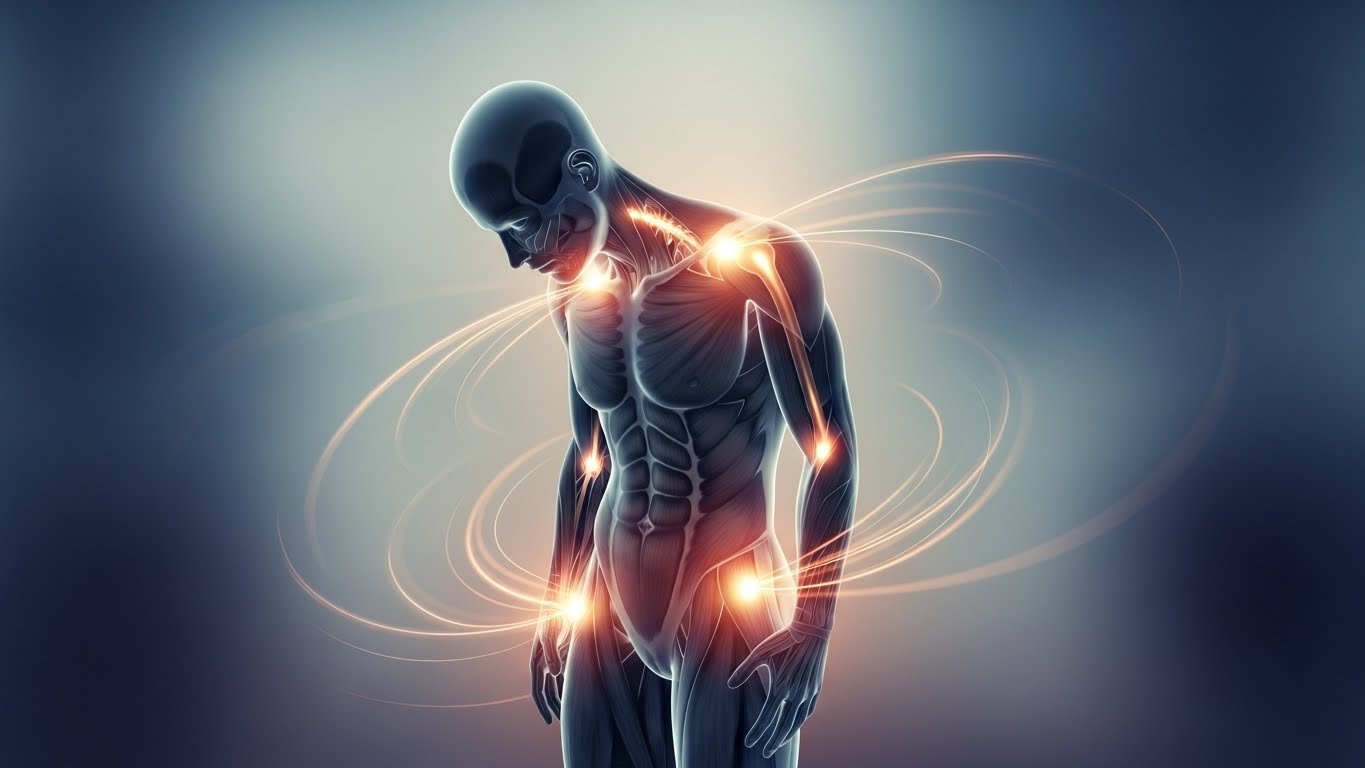
Inomyalgia is a chronic pain condition that mainly affects the muscles. People with inomyalgia feel muscle ache, soreness, and fatigue most of the time. The pain can be in one area or all over the body. It can also come and go without warning.
Doctors sometimes have a hard time diagnosing inomyalgia because the symptoms can look like other health problems. It’s important to know that this condition is very real. Even though imaging tests don’t show it, the pain is not “just in your head.”
The word “ino” means muscle tissue, and “myalgia” means pain. So, in simple terms, inomyaliga means muscle pain. But for the person living with it, it’s so much more than physical discomfort. It can affect sleep, mood, energy levels, and even the ability to do everyday things.
Common Symptoms of Inomyalgia
People with inomyalgia can have many different symptoms. Some may feel tired all day, while others may feel stiff and sore in the morning. The symptoms can change from one day to the next.
Here are the most common signs of inomyalgia:
- Widespread muscle pain or tenderness
- Chronic fatigue or low energy
- Stiffness, especially in the morning
- Sleep problems or feeling tired even after sleeping
- Headaches or migraines
- Memory problems (“brain fog”)
- Mood swings, depression, or anxiety
- Tingling or numbness in hands or feet
These symptoms can be mild or very severe. Some days may be better than others. Inomyalgia can make it hard to work, exercise, or even enjoy simple things like walking or cooking. But there is hope—with the right help, things can get better.
What Causes Inomyalgia?
Doctors are still learning about the exact causes of inomyalgia, but they have found some things that may lead to it. It seems to be a combination of physical, emotional, and neurological factors.
Here are some possible causes or triggers:
- Stress: Traumatic or stressful life events may lead to changes in how the brain processes pain.
- Infections: Some people develop inomyalgia after a virus or bacterial infection.
- Genetics: It may run in families, so genes could play a role.
- Injuries: A physical injury can trigger long-lasting pain in some people.
- Nervous system issues: The brain may send the wrong pain signals or become extra sensitive.
- Lack of sleep: Poor sleep can make pain worse and may lead to more symptoms.
There’s usually no single cause. Inomyalgia happens when several small things add up—so managing the risk factors can help people live with less pain over time.
How Is Inomyalgia Diagnosed?
Diagnosing inomyalgia is one of the hardest parts. There isn’t a simple test to confirm it. Most of the time, doctors make a diagnosis based on symptoms, history, and ruling out other conditions.
Here’s what usually happens during diagnosis:
- Your doctor will ask about your pain, where it is, and how long it has lasted.
- They may do physical exams to check tender points across your body.
- You may have blood tests or scans to rule out other health problems, like arthritis or thyroid issues.
- You may be diagnosed if you’ve had widespread muscle pain for more than three months, and other conditions have been excluded.
Sometimes it takes months or even years to get a diagnosis. That’s why keeping a symptom journal can be helpful. Write down when the pain happens, how strong it is, and what makes it better or worse.
Is Inomyalgia the Same as Fibromyalgia?
This is a common question. Inomyalgia and fibromyalgia are similar, but they are not always exactly the same thing. Both cause muscle pain, fatigue, and many of the same symptoms. But fibromyalgia is better known and has been studied more by scientists.
Some experts think inomyalgia is a form of fibromyalgia. Others think they are separate conditions but share a lot in common. In some places, doctors may use the term interchangeably or group them as “chronic pain syndromes.”
Whether you’re told you have fibromyalgia or inomyalgia, the treatment options and lifestyle changes are often similar. That’s why it’s important to focus less on the label and more on feeling better through daily care and community support.
Treatment Options for Inomyalgia
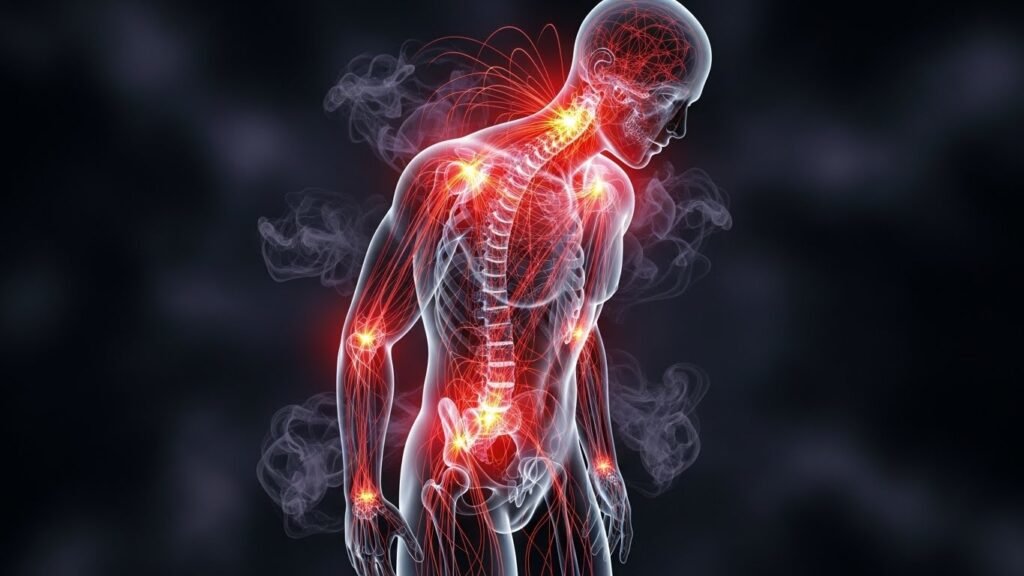
There is no one-size-fits-all cure for inomyalgia, but many things can make the symptoms better. The goal is to reduce pain, boost energy, and improve your daily life.
Here are the most common treatments:
- Medication: Doctors may suggest pain relievers, muscle relaxers, or low-dose antidepressants.
- Exercise: Light activities like walking, swimming, or gentle yoga help keep your body active.
- Physical therapy: A therapist can suggest stretches or gentle movements to reduce stiffness.
- Sleep habits: Going to bed and waking up at the same time every day helps support healing.
- Stress management: Meditation, breathing exercises, or counseling can help you cope better.
- Diet: Some people feel better with more whole foods and fewer processed items.
- Supplements: Magnesium, vitamin D, or B-complex vitamins may improve symptoms (ask your doctor first).
Finding what works takes time. But with consistency and patience, most people with inomyalgia find a plan that fits their lifestyle.
Living with Inomyalgia: Daily Tips That Make a Difference
Little changes can make a big difference when living with inomyalgia. You don’t have to overhaul your whole life—just take it one day at a time.
Here are simple things you can do:
- Pace yourself. Don’t try to do everything at once. Rest between tasks.
- Track your symptoms. Write in a journal to find patterns that help or hurt.
- Stay active, gently. Even short walks can help reduce stiffness and improve mood.
- Stay connected. Talk to family or join a support group so you don’t feel alone.
- Warm baths. A warm soak or heating pad helps sore muscles relax.
- Massage or gentle stretching. These can ease tightness and help you move better.
Living with inomyalgia is a journey. You may have ups and downs—but with self-care and support, you can still enjoy many good days ahead.
Foods That May Help or Hurt Inomyalgia
Some people with inomyalgia notice that food plays a role in how they feel. While no “magic” food will cure it, eating a healthy diet makes a difference for energy, inflammation, and sleep.
Foods that may help:
- Fruits and veggies: Full of vitamins, minerals, and antioxidants to support healing.
- Lean proteins: Eggs, fish, beans, and chicken provide fuel for muscles.
- Whole grains: Brown rice, oats, and quinoa give steady energy.
- Healthy fats: Nuts, seeds, and olive oil help reduce soreness.
- Water: Staying hydrated helps reduce muscle cramps and tiredness.
Foods to limit:
- Sugary snacks: Can lead to pain flares or blood sugar crashes.
- Too much caffeine: May upset sleep, which adds to pain.
- Processed foods: These may increase inflammation.
- Excess dairy or gluten: Some people feel better avoiding these, especially if they have a sensitivity.
Listening to your body is key. Try cutting out certain foods slowly and see if your symptoms improve.
Emotional Health and Coping Strategies
When you live with constant pain, it doesn’t just affect your body—it affects how you feel inside too. People with inomyalgia often experience mood changes, sadness, or anxiety.
It’s okay to feel this way. You’re not weak or lazy. Your body is going through something difficult.
Here are some ways to care for your emotions:
- Talk to someone. A counselor or therapist can help you find peace in hard times.
- Practice gratitude. Writing down three small things you’re thankful for daily can shift your mindset.
- Do something just for you. Even 10 minutes of reading, music, or coloring can lift your mood.
- Join a support group. Talking to others who understand you can be healing.
- Practice mindfulness. Try breathing slow and focusing on what you can control today.
Taking care of your mental health is just as important as your physical health when living with inomyalgia.
Inomyalgia in Children and Teens
Most people with inomyalgia are adults, but some children or teens can develop symptoms too. It may start after a flu-like illness, an injury, or a stressful event.
Parents may notice:
- Ongoing muscle pain or fatigue
- Mood swings or trouble sleeping
- Trouble focusing at school or feeling overwhelmed
- Less interest in play or activities they used to enjoy
If a child shows these signs, a doctor should check for other causes before deciding it’s inomyalgia. It’s important to believe a child when they say they’re in pain—just because you can’t see it doesn’t mean it’s not real.
Gentle treatment, emotional support, and good routines can greatly help young people living with this condition.
FAQs
1. Is inomyalgia a made-up condition?
No. Inomyalgia is real. Just because it’s hard to see on scans doesn’t mean the pain isn’t real.
2. Can inomyalgia go away on its own?
It usually doesn’t go away completely, but it can be managed well with the right care.
3. What makes the pain worse?
Stress, poor sleep, overdoing it, and bad weather are common triggers that can make symptoms flare.
4. Is inomyalgia the same as chronic fatigue syndrome?
They are similar, and some people may have both. But they are not exactly the same.
5. Can exercise help or hurt inomyalgia?
Gentle movement helps. Too much too fast can make it worse. Start slow and listen to your body.
6. Should I keep working if I have inomyalgia?
Yes, if you can. But you may need to adjust your schedule or take breaks to manage energy levels.
Conclusion
If you made it this far, you’ve just learned a lot about inomyalgia. And that’s a good first step. Understanding your condition is powerful. While inomyalgia doesn’t have a cure yet, it has many ways to manage it.
With the right tools—good sleep, gentle activity, healthy food, and emotional care—you can start feeling more like yourself again. Don’t lose hope. There are good days ahead. Just take small steps daily, and be kind to yourself on tough days.
If you or someone you know struggles with muscle pain, don’t ignore it. Talk to a doctor, track symptoms, and find a plan that works. Because life with inomyalgia can still be full of joy, peace, and purpose one day at a time.